Gynaecomastia Plastic Surgeon Wollongong & Sydney

Gynaecomastia is the enlargement of male breast tissue and may affect one or both sides of the chest. It can involve firm glandular tissue beneath the nipple, excess fat, stretched skin or a combination of these features.

Understanding Gynaecomastia

Understanding Gynaecomastia and Treatment Options

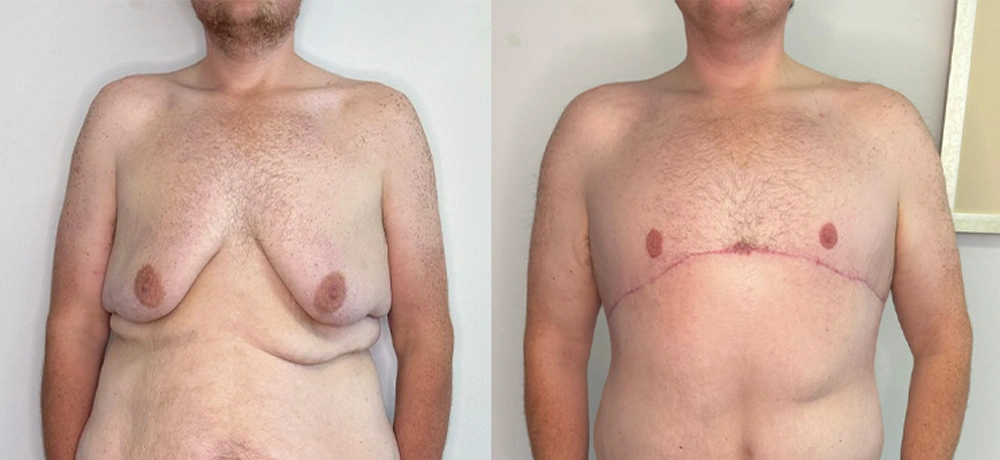
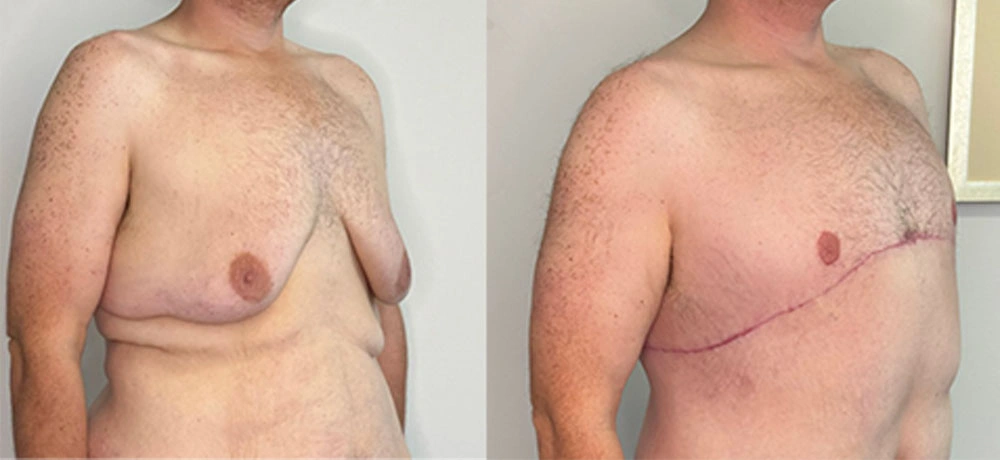
Treatment is not the same for every patient. Some cases improve when an underlying cause is identified and addressed. Where enlargement persists, surgery may involve liposuction, direct removal of glandular tissue or removal of excess skin.

Specialist Plastic Surgeon Dr Anthony Barker assesses patients considering gynaecomastia surgery in Sydney and throughout New South Wales. The aim of consultation is to establish what is causing the chest enlargement and which, if any, surgical approach is appropriate.

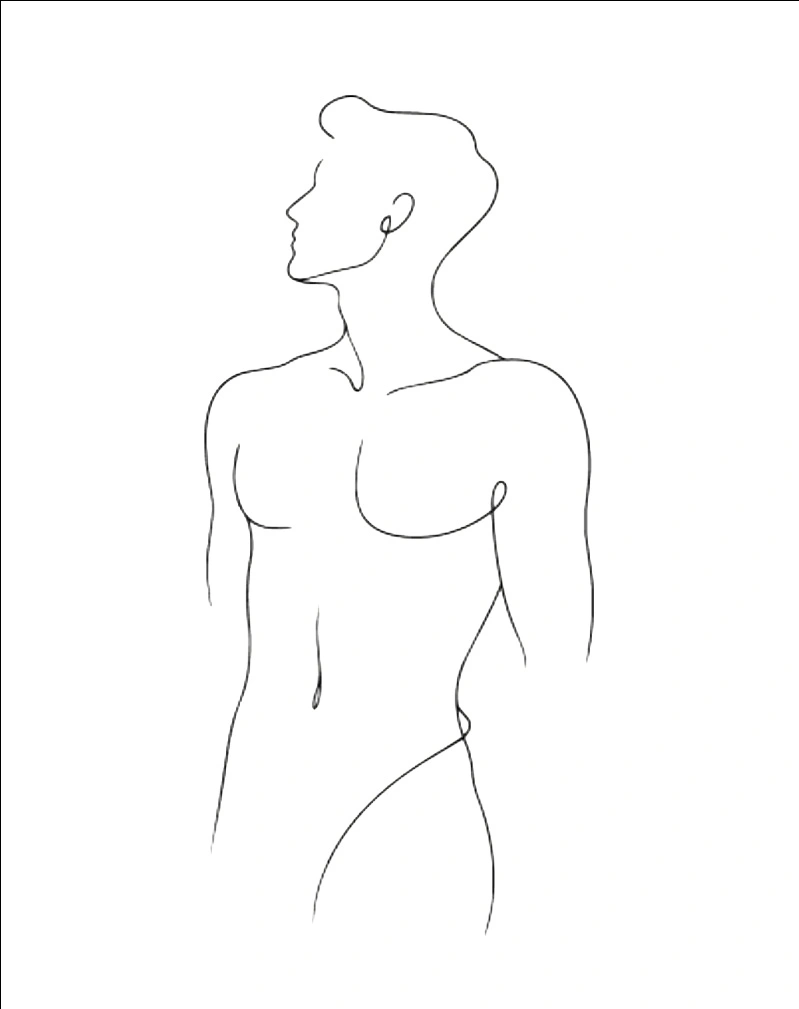
Line drawing of male upper body showing chest contour relevant to gynaecomastia condition - Men in New South Wales, Australia

Glandular Gynaecomastia or Excess Chest Fat?

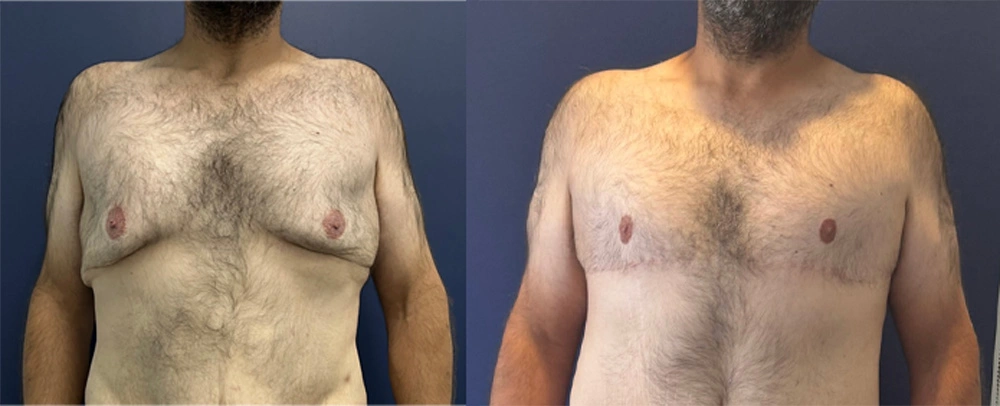
True gynaecomastia contains glandular breast tissue, often felt as a firm or rubbery area beneath the nipple and areola. Chest enlargement caused mainly by fatty tissue is sometimes called pseudogynaecomastia. The two can occur together.

This distinction affects treatment. Liposuction can reduce fatty tissue but does not reliably remove dense gland beneath the nipple. Direct excision may be required for glandular tissue, while significant skin excess may require a longer scar and skin-removal procedure.

Weight loss may reduce fatty fullness but will not necessarily remove established glandular tissue. Conversely, surgery is not a substitute for weight management when enlargement is proportionate to general obesity.


Surgical Techniques

The technique depends on whether the main component is fat, gland, or loose skin. More than one technique may be used during the same operation.

Liposuction may be appropriate when localised fat is the main contributor and the skin is expected to contract adequately. It uses small access incisions but does not remove firm glandular tissue or substantially loose skin.

Why Does Gynaecomastia Develop?

Gynaecomastia may develop during puberty, with ageing or because of changes in the balance or action of hormones. It can also be associated with certain prescription medicines, anabolic steroids, recreational drugs, alcohol use and medical conditions affecting the testes, thyroid, liver or kidneys.

In many adults, no single cause is identified. However, surgery should not automatically be the first step. Dr Barker may recommend assessment by a general practitioner, endocrinologist or another specialist, medication review, blood tests or imaging where clinically indicated.

A new one-sided lump, nipple discharge, skin change, rapid enlargement, a hard fixed mass or testicular symptoms require medical assessment. These features should not be assumed to represent uncomplicated gynaecomastia.

When May Surgery Be Considered?

Surgery may be considered when breast enlargement is persistent, the chest has completed development, reversible causes have been addressed, and the patient understands the scars and limitations involved.

Suitability also depends on general health, stable weight, nicotine use, medicines and substances that may contribute to recurrence, and realistic expectations. Adolescents may be advised to wait because pubertal gynaecomastia can improve over time and breast development may not be complete.

Stop a medicine or substance only in consultation with the prescribing or treating practitioner.

Dr Anthony Barker in blue scrubs consulting with patient in medical office - in New South Wales, Australia

Scars, Nipple Position and Chest Contour

Every surgical technique creates scars. Depending on the procedure, you may have small liposuction scars, scars around part of the areola, or longer chest scars. Scars are permanent and may widen, thicken, become raised, change colour or remain noticeable.

Perfect symmetry cannot be guaranteed. Pre-existing differences in the chest wall, ribs, muscle, nipple position or tissue volume may remain after surgery. Other possible contour issues include residual fullness, a depression beneath the nipple, loose skin, folds, tethering or an irregular transition between treated and untreated areas.

Nipple sensation may increase, decrease or be lost. Rarely, compromised blood supply can result in partial or complete loss of nipple or skin tissue.

Planning Treatment With Dr Barker

For patients considering gynaecomastia surgery in New South Wales, consultation includes medical history, medicines and supplements, nicotine use, alcohol and recreational drug use, anabolic steroid exposure, weight changes, duration of enlargement and any breast or testicular symptoms. The examination assesses glandular tissue, fat, skin excess, chest-wall shape, nipple position, and asymmetry.

If the history or examination raises a concern about an underlying cause, further medical assessment may come before any discussion about surgery. Otherwise, Dr Barker will explain the proposed technique, likely scars, alternatives, recovery and risks. Removed tissue may be sent for pathology when appropriate.

Dr Anthony Barker in scrubs and glasses speaking with healthcare colleague in medical setting - in New South Wales, Australia
White ethereal smoke wisps dispersing against light background creating abstract atmospheric pattern

Recovery After Gynaecomastia Surgery

Your Guide to Post-Gynaecomastia Care

Swelling, bruising, discomfort, tightness and altered nipple or chest sensation are expected during early recovery. A compression garment is commonly used, and drains may be required in selected cases rather than routinely for every patient.

Gentle walking is encouraged. Avoid heavy lifting, pushing, pulling, chest training, and strenuous exercise until medically cleared. Many patients return to non-physical work within approximately one to two weeks, but this varies with the extent of surgery and their occupation. Return to gym training commonly takes several weeks and must be guided by healing rather than a fixed date.

Early swelling can temporarily obscure the chest contour. Residual swelling, firmness and scar maturation may continue for several months, with scars often changing for 12 months or longer.

Risks and Possible Complications

Possible risks include bleeding, haematoma, infection, seroma, delayed healing, wound separation, skin or nipple loss, unfavourable scarring, altered or lost nipple sensation, persistent pain, asymmetry, contour irregularity, residual gland or fat, excessive tissue removal, nipple depression or tethering, loose skin, recurrence, blood clots, anaesthetic complications and the need for additional treatment or revision surgery.

A postoperative haematoma can enlarge quickly and may require urgent return to theatre. Nicotine exposure, certain medicines or substances, higher body mass index and medical conditions may increase risk. No particular chest shape, symmetry, scar quality or psychological outcome can be guaranteed.

Gynaecomastia Surgery Costs, Medicare and Private Health Insurance

The cost of gynaecomastia surgery depends on whether treatment involves liposuction, gland excision, skin removal or a combination of techniques.

We provide an individualised quotation after consultation, including an outline of the expected surgeon, anaesthetist, and hospital fees.

A Medicare rebate may be available in selected circumstances when all relevant eligibility requirements are satisfied. Medicare does not cover Gynaecomastia surgery performed solely for cosmetic reasons.

When an eligible Medicare benefit applies, private health insurance may contribute towards hospital costs depending on the patient’s policy and level of cover. The practice cannot guarantee Medicare and private health insurance benefits, and out-of-pocket costs may remain.

Can Medicare Contribute to Gynaecomastia Surgery Costs?

A Medicare rebate may be available in selected circumstances when the surgery meets all relevant eligibility requirements.

Eligibility depends on the cause and clinical presentation of the breast enlargement. Supporting clinical documentation may also be required.

Private health insurance may contribute towards hospital costs when an eligible Medicare benefit applies, depending on the patient’s policy and level of cover. Benefits cannot be guaranteed, and out-of-pocket expenses may remain.

Gynaecomastia Consultations in Sydney

Dr Barker consults at Macquarie University Hospital, Sydney CBD and Surry Hills. An individual assessment is required before we can determine the cause, surgical technique, scar pattern, or quotation.

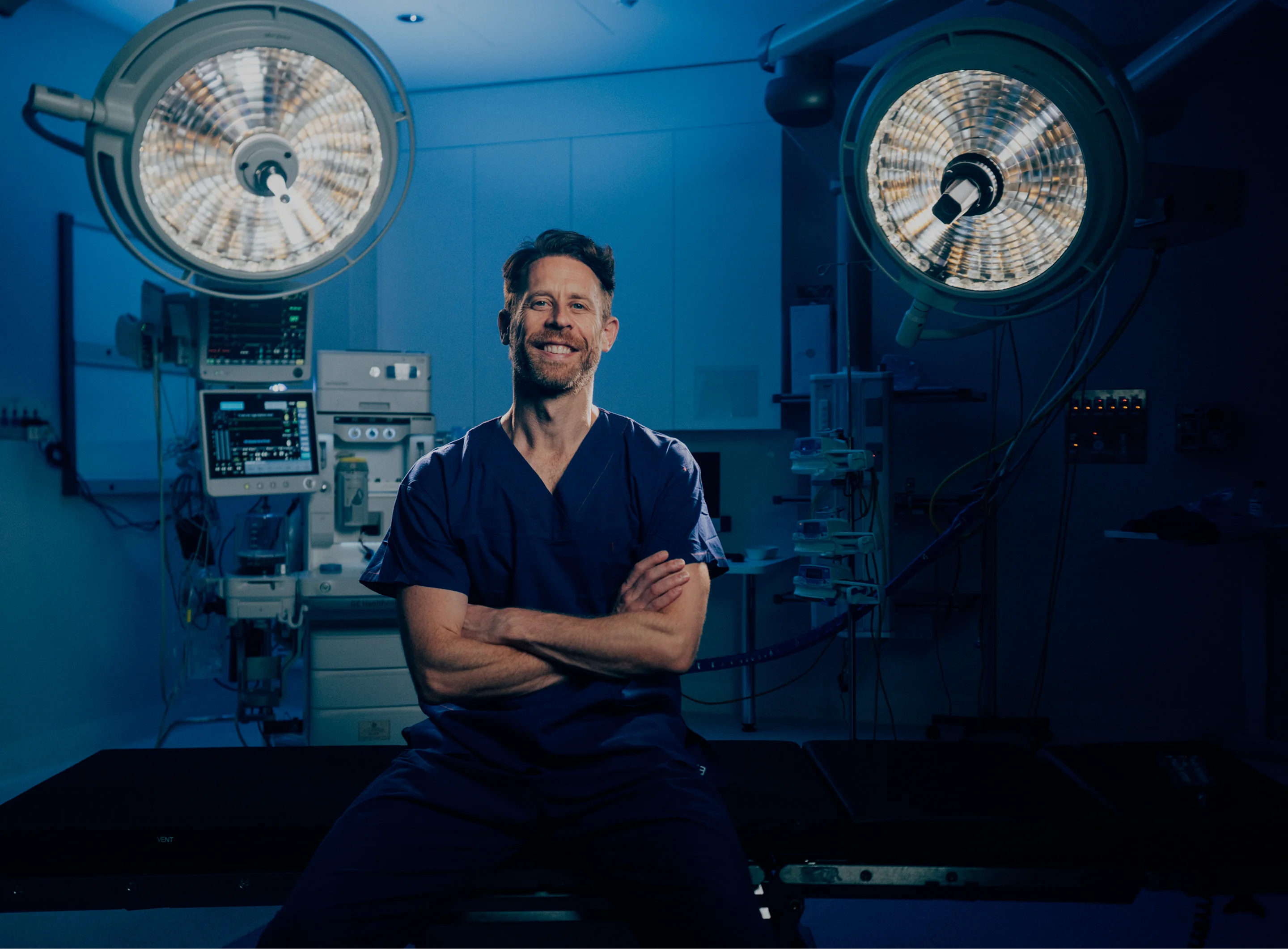
Dr Anthony Barker standing in operating room with surgical lights and medical equipment in background - in New South Wales, Australia

Gynaecomastia FAQ’s

Schedule a

genuine, beautiful, natural looking results.

Consultation