Skin Cancer Reconstruction Plastic Surgeon Wollongong & Sydney

Skin cancers vary in their type, size, depth and location. Some can be removed with a straightforward surgical excision and direct closure. Others leave a larger or more complex wound requiring reconstructive surgery.

Skin Cancer Removal and Reconstruction Surgery in Sydney

Restore Form and Function With Thoughtful Reconstructive Care

Common types of skin cancer include basal cell carcinoma, squamous cell carcinoma and melanoma. The appropriate treatment pathway differs between cancer types and depends on the pathology, location, clinical features and the patient’s individual health.

Specialist Plastic Surgeon Dr Anthony Barker is based in Sydney and performs skin cancer removal and reconstruction for suitable patients from across Australia.

Treatment is planned based on the type and location of the skin cancer, the expected surgical wound, and the function of the affected area. Patients travelling from interstate may require additional coordination with their referring doctor, dermatologist or other treating specialists.

Minimalist line drawing of woman's profile showing facial features and neck contour for skin cancer reconstruction - Face in New South Wales, Australia

What Is Skin Cancer Surgery and Reconstruction?

Skin cancer surgery involves removing a confirmed or suspected cancer together with an appropriate margin of surrounding tissue.

The removed tissue is generally sent to a pathology laboratory to confirm the diagnosis and determine whether cancer cells extend to the surgical margins.

After the cancer is removed, the wound may be repaired using:

  • Direct closure with sutures
  • A local skin flap
  • A skin graft
  • A combination of reconstructive techniques
  • A staged reconstruction for more complex wounds

The appropriate reconstruction depends on the size, depth and location of the wound, the availability of nearby tissue and whether important structures are involved.

Following standard surgical excision, the final pathology result is usually not available until after surgery. If cancer cells are identified at or close to a margin, further excision or another form of treatment may be required.
Types of Skin Cancer

Basal cell carcinoma, or BCC, is a common type of skin cancer. It often develops on areas that have received significant sun exposure.

Treatment depends on the tumour’s location, size, subtype and whether it has been treated previously. Surgery is one possible treatment, but not every BCC requires the same approach.

When May Plastic Surgical Reconstruction Be Required?

Many small skin cancers can be removed and closed directly by a general practitioner, dermatologist or surgeon.

Plastic surgical reconstruction may be considered when the skin cancer:

  • Is located on the nose, eyelid, ear, lip, cheek or scalp
  • Is close to an important anatomical structure
  • Is expected to leave a large or deep wound
  • Requires the removal of cartilage, muscle or other underlying tissue
  • Has returned after previous treatment
  • Cannot be closed directly without distorting the surrounding area
  • Requires a local flap, skin graft or staged reconstruction

The purpose of reconstruction is to close the wound, protect exposed structures and preserve function where possible.

Every reconstruction creates scars. The treated area may also differ from the surrounding skin in colour, thickness, texture and contour.

Skin Cancer Removal

Dr Barker may perform both the skin cancer excision and reconstruction during the same operation.

Alternatively, a dermatologist, Mohs specialist or another treating practitioner may remove the cancer before referring the patient to Dr Barker for reconstruction.

The appropriate pathway depends on:

  • The type of skin cancer
  • Its location and size
  • Whether the diagnosis has been confirmed
  • How the surgical margins will be assessed
  • The anticipated size and depth of the wound
  • Whether a multidisciplinary treatment plan is required

How Is a Skin Cancer Wound Reconstructed?

Direct Closure

A smaller wound may be repaired by bringing the skin edges together with sutures.

The direction and position of the scar are planned to limit distortion and, where possible, place the scar within natural skin lines.

Direct closure is not always possible when the wound is large, deep or close to an important structure.

Local Skin Flap

A local flap uses nearby skin and underlying tissue to cover the wound while maintaining its own blood supply.

Because the tissue comes from an adjacent area, it may provide a closer match in colour, thickness and texture than a skin graft.

Local flaps are commonly considered for reconstructing selected wounds affecting areas such as the nose, cheek, eyelid, lip, ear, or scalp.

The flap creates additional incisions and scars beyond the original skin cancer wound.

Skin Graft

A skin graft involves taking a layer of skin from another part of the body and placing it over the surgical wound.

The area from which the graft is taken is called the donor site. The donor site also creates a wound and requires its own dressing and healing period.

A skin graft may initially appear different in colour, thickness and texture from the surrounding skin. Its appearance generally changes as healing progresses, but a difference may remain.

Staged Reconstruction

Some complex wounds require more than one operation.

A staged reconstruction may be considered when a large amount of tissue has been removed, cartilage or another important structure requires reconstruction, or transferred tissue needs time to establish a reliable blood supply.

The number and timing of procedures depend on the defect and the reconstructive technique.

Standard Surgical Excision

During standard surgical excision, the skin cancer and a planned margin of surrounding tissue are removed.

The specimen is sent to a pathology laboratory for examination. The results are generally available after surgery rather than during the procedure.

Depending on the clinical circumstances, the wound may be reconstructed immediately. In other cases, reconstruction may be delayed until the pathology result is available.

If the pathology identifies cancer cells at or close to a margin, further excision or another treatment may be recommended.

Reconstruction After Mohs Surgery

Mohs micrographic surgery is a specialised method used to treat selected skin cancers.

The Mohs practitioner removes tissue in stages and examines the margins during the procedure. Further tissue is removed until the practitioner confirms that the assessed margins are clear.

Mohs surgery may be considered for certain cancers with poorly defined borders, recurrent cancers or cancers located in areas where preserving healthy tissue is particularly important, such as the nose, eyelids, lips and ears.

After clearance has been confirmed, Dr Barker may reconstruct the resulting wound. Reconstruction may occur on the same day or at another arranged time, depending on the defect, treatment plan and scheduling.

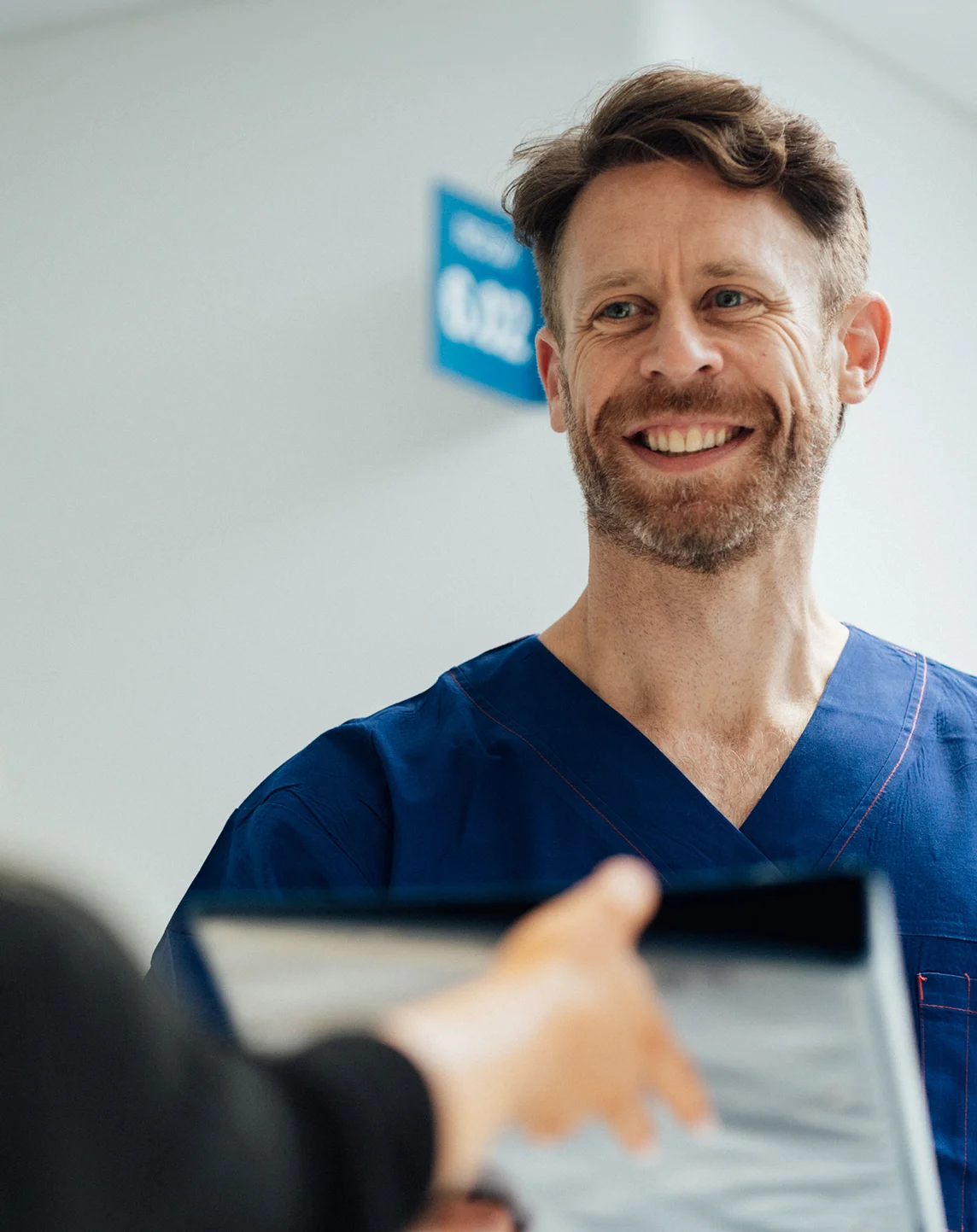
Dr Anthony Barker in blue scrubs consulting with patient in medical office - in New South Wales, Australia

Planning Skin Cancer Surgery With Dr Barker

During a consultation, Dr Barker reviews the available pathology, biopsy results, referral information and previous treatment.

The assessment may include:

  • Review of the skin cancer diagnosis
  • Examination of the lesion or existing surgical wound
  • Discussion of who will perform the cancer removal
  • Consideration of how the margins will be assessed
  • Explanation of possible closure or reconstruction techniques
  • Discussion of the anticipated scars and contour changes
  • Information about dressings, recovery and follow-up
  • Coordination with the referring practitioner or other specialists

When reconstruction is planned before the cancer is removed, the exact technique may need to change once the true size and depth of the wound are known.

Complex cancers or particular melanoma diagnoses may require further investigation or multidisciplinary treatment before reconstruction is planned.

What Happens on the Day of Surgery?

Skin cancer removal and reconstruction may be performed under local anaesthesia, sedation or general anaesthesia.

The appropriate anaesthetic depends on the procedure’s location and complexity, the expected reconstruction, and the patient’s health.

Many procedures are performed as day surgery. Smaller procedures may be suitable for treatment in rooms under local anaesthesia, while more complex reconstruction is performed in an appropriately accredited hospital or licensed facility.

After surgery, dressings are applied, and the patient receives instructions about wound care, activity restrictions and follow-up appointments.

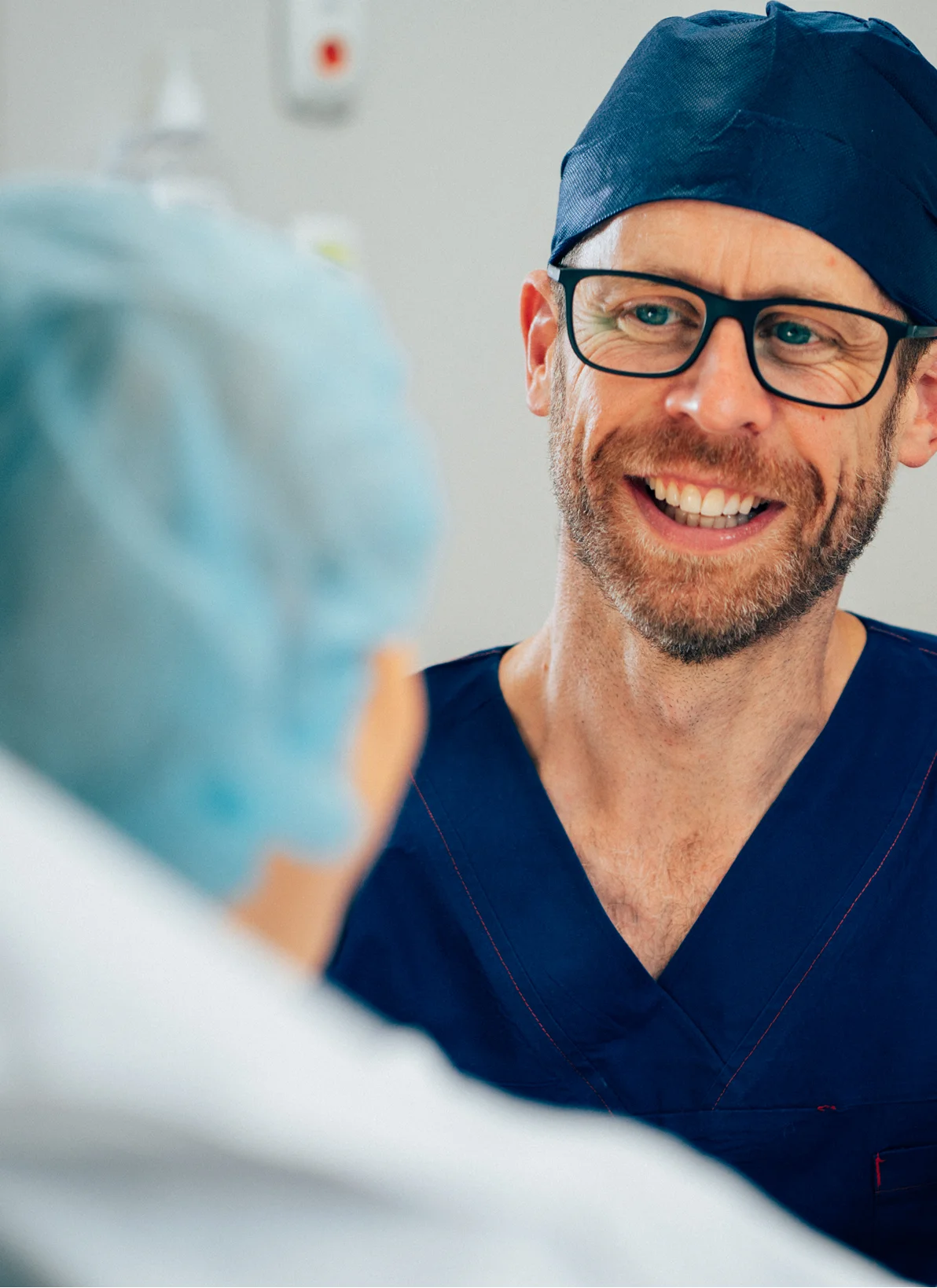
Dr Anthony Barker in scrubs and glasses speaking with healthcare colleague in medical setting - in New South Wales, Australia
White ethereal smoke wisps dispersing against light background creating abstract atmospheric pattern

Recovery After Skin Cancer Reconstruction

Your Guide to Post-Skin Cancer Reconstruction Care

Recovery depends on the surgery site and whether the wound is closed directly, reconstructed with a local flap, or repaired with a skin graft.

Swelling, bruising, tenderness and tightness are common during early healing. Surgery around the eyelids, nose and face can cause more noticeable swelling initially.

Skin grafts and flaps require careful monitoring during early recovery. Patients may need to keep dressings dry and avoid pressure, rubbing and strenuous activity while the tissues heal.

Follow-up appointments may involve:

  • Reviewing the wound
  • Changing dressings
  • Monitoring the blood supply to a flap or graft
  • Removing sutures when appropriate
  • Discussing the pathology result
  • Determining whether further cancer treatment is required
  • Providing scar-care advice after the wound has healed

Scars commonly appear pink, firm or raised during early healing and gradually change over several months.

Careful planning can help manage scar position, but a surgical scar cannot be made invisible.

Risks and Recovery Considerations

Skin cancer excision and reconstruction carry risks. Possible complications include bleeding, infection, delayed healing, wound separation, noticeable scarring, changes in sensation, contour differences and the need for further treatment. A skin graft or flap may heal partially or, less commonly, may not survive completely. Surgery near the eyelid, nose, lip or ear can also affect the position or function of the surrounding structures.

After standard excision, pathology may identify cancer cells at or close to a surgical margin. This may require further excision or another form of cancer treatment. Dr Barker will discuss the risks most relevant to the proposed procedure, treatment area and the patient’s individual health. Healing, scar quality, contour and symmetry vary and cannot be guaranteed.

Skin Cancer Surgery Costs, Medicare and Private Health Insurance

The cost of skin cancer surgery and reconstruction depends on the location and complexity of the procedure, the reconstruction required, the type of anaesthesia and whether treatment is performed in rooms or hospital. We provide an individualised quotation after consultation, including an outline of the expected fees.

Medicare rebates are available for eligible skin cancer excision and reconstruction procedures. Private health insurance may also contribute towards hospital treatment when the patient has an appropriate level of cover. Medicare and private health insurers assess eligibility separately. Benefits depend on the procedure performed and the patient’s individual policy.

The practice will explain the expected rebates, health fund contributions and out-of-pocket costs before surgery. Medicare and private health insurance benefits cannot be guaranteed.

Can I Claim Medicare or Use Private Health Insurance for Skin Cancer Surgery?

Medicare rebates are available for eligible skin cancer excision and reconstruction procedures.

Patients with appropriate private hospital cover may also receive health fund benefits towards hospital treatment.

The available benefits and out-of-pocket costs depend on the procedure performed and the patient’s individual insurance policy. We will explain these after assessment and before surgery.

Why Choose Dr Anthony Barker?

Dr Anthony Barker is a Specialist Plastic Surgeon and Fellow of the Royal Australasian College of Surgeons (FRACS). He has training and experience in plastic and reconstructive surgery, including managing surgical defects after skin cancer removal.

Skin cancer reconstruction requires careful consideration of both cancer treatment and the functional and anatomical requirements of the affected area. Dr Barker plans each procedure based on the defect’s location and depth, the surrounding tissue, and the patient’s individual circumstances.

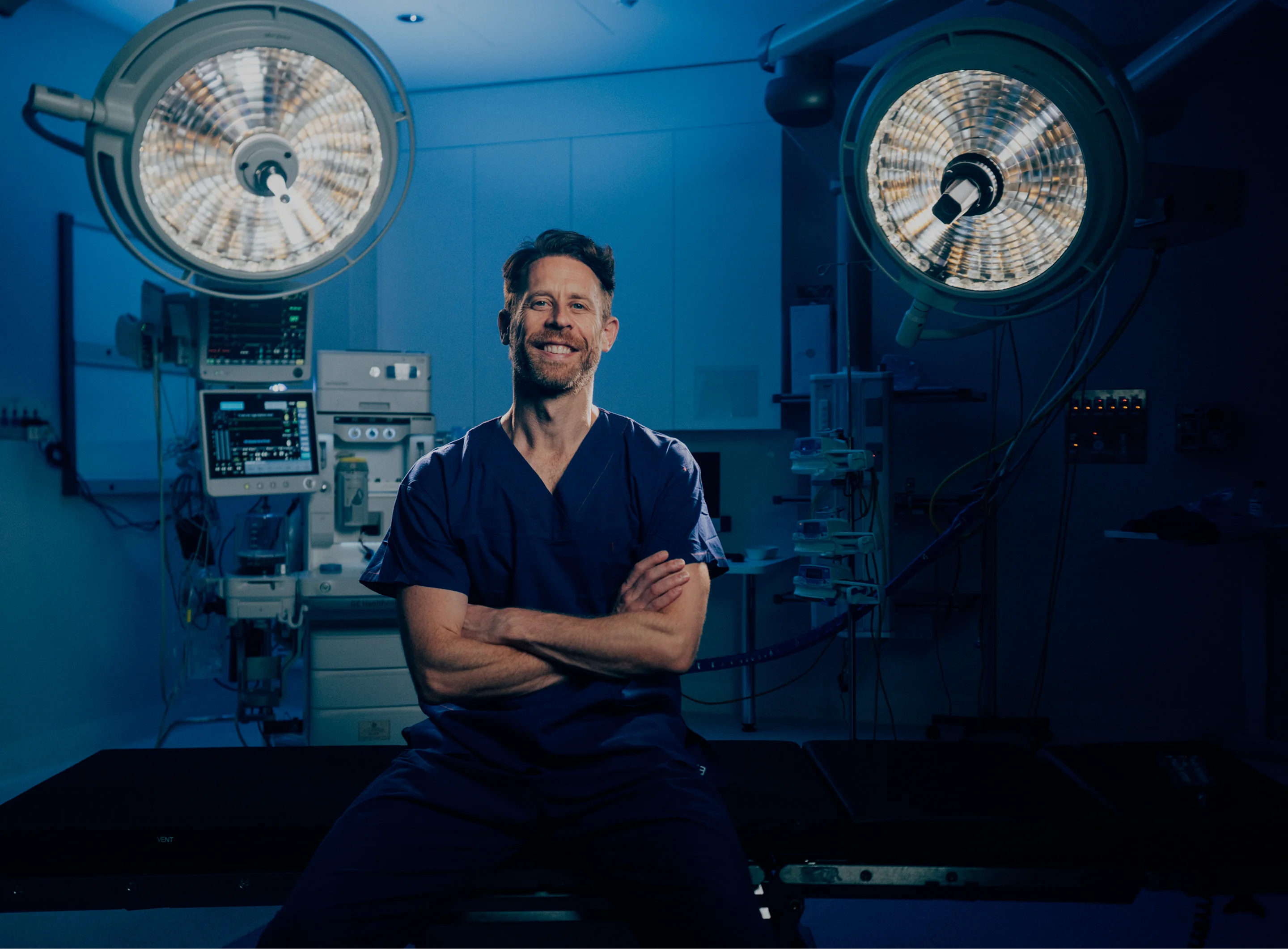
Dr Anthony Barker standing in operating room with surgical lights and medical equipment in background - in New South Wales, Australia

Skin Cancer Reconstruction FAQ’S

Schedule a

genuine, beautiful, natural looking results.

Consultation