Breast Reduction Plastic Surgeon Wollongong & Sydney

Large or heavy breasts can affect everyday comfort, movement, exercise and clothing choices. Some patients experience ongoing neck, shoulder or upper-back discomfort, bra-strap pressure or irritation beneath the breasts. For others, the main concern is breast proportion, asymmetry or changes following pregnancy or weight loss.

Introduction to Breast Reduction

Understanding Breast Reduction: Suitability, Risks and Recovery

Breast reduction surgery, also known as reduction mammoplasty, removes breast tissue, fat and skin to reduce breast weight and reshape the breasts.

Dr Anthony Barker is a Specialist Plastic Surgeon based in Sydney. He consults with suitable patients from Sydney, Wollongong and throughout Australia who are considering breast reduction surgery.

Minimalist line drawing of female figure showcasing feminine curves and body contours in black ink on white background - Breast in New South Wales, Australia

Is Breast Reduction Right for Me?

The effects of larger breasts differ from patient to patient. Breast reduction may be considered when breast size contributes to physical symptoms or makes certain activities difficult.

Reasons patients seek advice include:

  • Neck, shoulder or upper-back discomfort
  • Bra straps digging into the shoulders
  • Rashes, sweating or irritation beneath the breasts
  • Difficulty exercising, running or participating in sport
  • Difficulty finding supportive bras, swimwear or clothing
  • A heavy or low breast position
  • Breast asymmetry
  • Changes following pregnancy, breastfeeding or weight loss
  • Feeling that the breasts are out of proportion with the rest of the body.

Breast reduction may reduce symptoms associated with breast weight. However, it cannot guarantee that all neck, shoulder, or back pain will resolve, particularly when other factors contribute to the discomfort.


Where Are the Breast Reduction Scars?

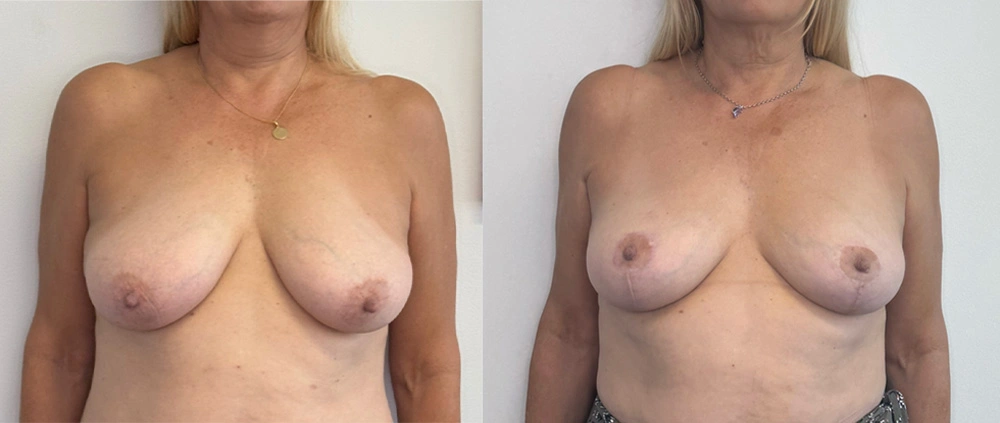
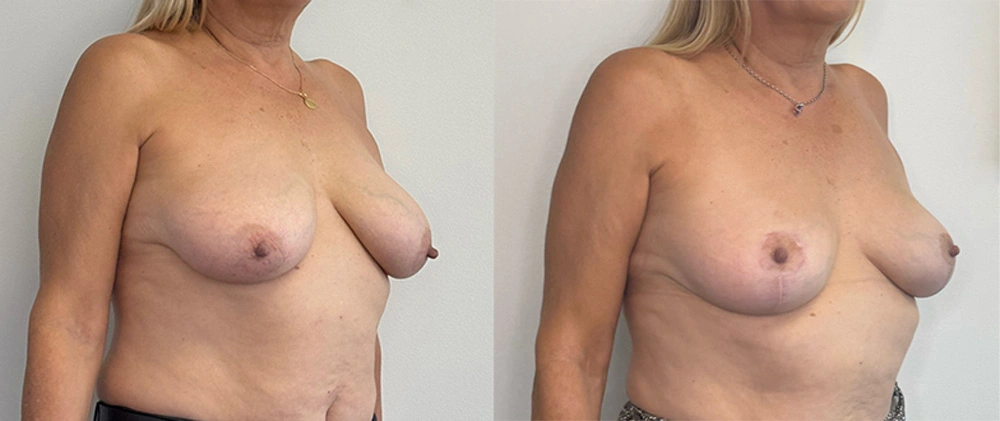
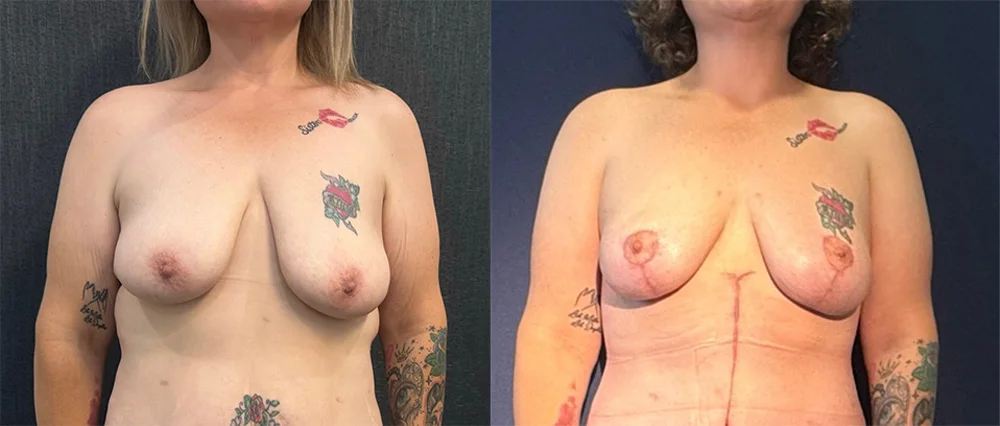
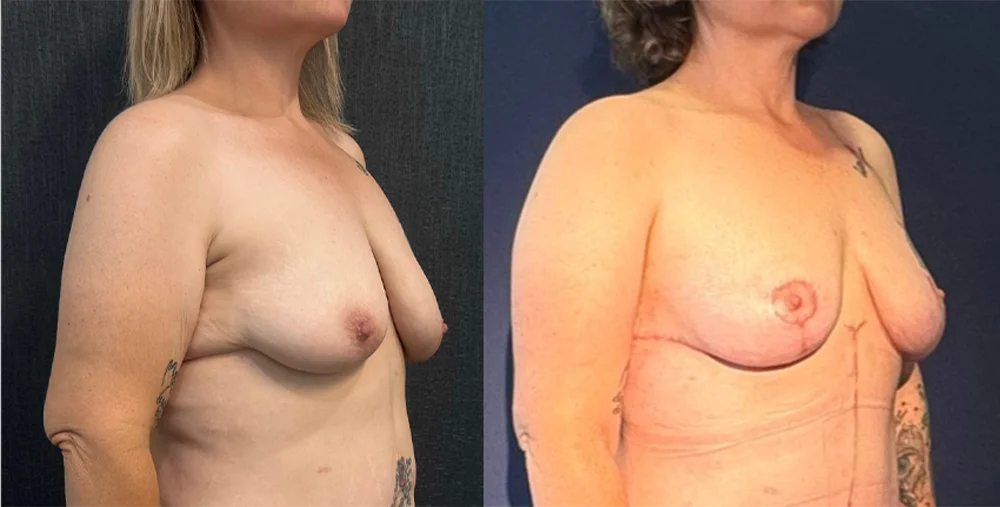
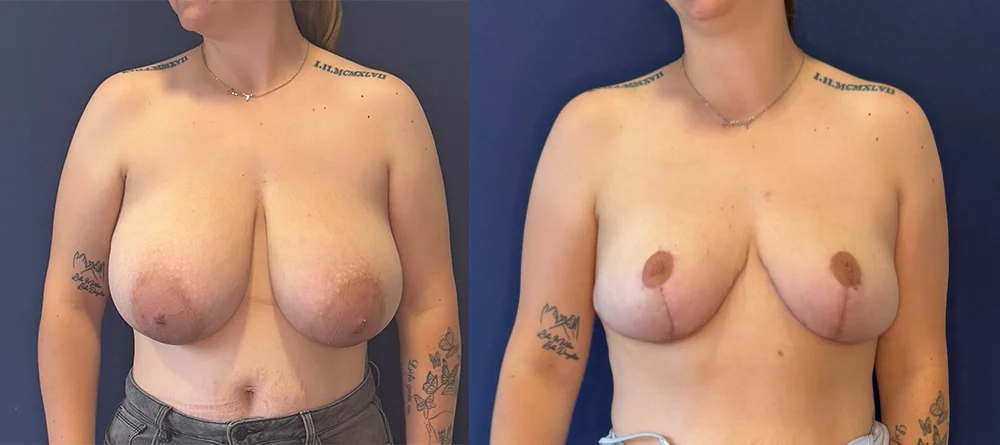
Scars are a necessary part of breast reduction surgery. Their position depends on the amount of tissue and skin being removed, the degree of breast lowering and the type of reshaping required.

The two commonly used scar patterns are:

A vertical reduction usually creates a scar around the areola and a vertical scar extending from the areola to the fold beneath the breast.

This pattern may suit selected patients needing a smaller or moderate reduction.

What Does Breast Reduction Surgery Involve?

Breast reduction surgery reduces breast volume and weight while reshaping the remaining breast tissue. The nipple and areola are usually moved higher, and the areola size may also be reduced where appropriate.

Because the breast is reshaped and repositioned during the procedure, breast reduction includes a breast-lifting component. A separate breast lift is usually not required just to raise the breasts.

Liposuction may sometimes be used around the sides of the breasts or chest to improve the surrounding contour. However, liposuction alone cannot remove loose skin or reshape the breast the same way a formal breast reduction can.

How Is the New Breast Size Decided?

Many patients have a preferred bra size in mind. However, cup sizing varies by manufacturer, so we can’t promise an exact postoperative cup size.

The reduction is planned according to:

  • Your breast and chest measurements
  • The amount and quality of breast tissue
  • Skin elasticity
  • Nipple position
  • Differences between the breasts
  • Your symptoms and preferred proportions
  • The blood supply to the nipple and breast skin.

Dr Barker will discuss the approximate reduction that may be achievable for you. When one breast is larger than the other, we may remove different amounts of tissue to improve balance. Some natural asymmetry is still expected after surgery.

Breast Reduction After Pregnancy or Weight Loss

Pregnancy, breastfeeding and significant weight loss can change breast volume, skin elasticity and nipple position. Some patients are left with a combination of heavy breast tissue and loose skin, while others experience a loss of upper breast volume with the remaining tissue sitting lower on the chest.

Breast reduction can be adapted to the amount of tissue and skin present. Patients who have experienced significant weight loss may require more extensive reshaping because the skin and supporting tissues can be thinner or less elastic.

If you are planning a pregnancy soon, it may be helpful to discuss whether surgery should be delayed, as pregnancy and breastfeeding can alter the result.

Dr Anthony Barker in blue scrubs consulting with patient in medical office - in New South Wales, Australia

Your Breast Reduction Consultation

Your consultation begins with a discussion about how your breast size affects you and what you would like surgery to change.

Dr Barker will review your:

  • General health and medical history
  • Current medications and supplements
  • Smoking, vaping or nicotine use
  • Previous breast surgery
  • Breast-screening history
  • Pregnancy and breastfeeding plans
  • Recent or planned weight changes

He will then assess breast size, skin quality, nipple position, symmetry and chest proportions. This helps determine the likely reduction, scar pattern and surgical approach.

If you have recent mammograms, ultrasounds or other breast imaging, bring the reports to your appointment. Updated breast imaging may be recommended before surgery depending on your age, symptoms and screening history.

What Happens During Breast Reduction Surgery?

Breast reduction surgery is performed under general anaesthesia in an accredited hospital.

Through the planned incisions, excess breast tissue, fat and skin are removed. The remaining tissue is reshaped, and the nipple and areola are moved higher while preserving their blood supply where possible.

After the procedure, we apply dressings and a supportive surgical bra. Surgery duration and whether an overnight hospital stay is recommended will depend on the extent of the reduction and your individual circumstances.

Dr Anthony Barker in scrubs and glasses speaking with healthcare colleague in medical setting - in New South Wales, Australia
White ethereal smoke wisps dispersing against light background creating abstract atmospheric pattern

Risks and Possible Complications of Breast Reduction

Your Guide to Post-Breast Reduction Care

Breast reduction surgery has risks, including bleeding, infection, fluid collections, delayed wound healing, noticeable scarring, asymmetry, changes in sensation, persistent pain, fat necrosis, partial or complete loss of the nipple, areola or breast skin, blood clots and anaesthetic complications. Further treatment or surgery may occasionally be required.

During breast reduction, the nipple and areola are moved, and the breast skin is reshaped. If the blood supply to these tissues is reduced, part or all of the nipple and areola, or areas of breast skin, may heal poorly or not survive. This may require prolonged wound care or further surgery and can affect the appearance of the breast, nipple sensation, and ability to breastfeed.

Fluid collections, such as blood (haematoma) or clear fluid (seroma), can build up beneath the skin after surgery. Some resolve on their own, while others need draining or may require a return to the operating theatre.

Blood clots can form in the deep veins of the legs (deep vein thrombosis) and may travel to the lungs (pulmonary embolism), which can be life-threatening. Measures to reduce this risk are planned according to individual risk.

Pain or discomfort in the breasts or around the scars usually improves as healing progresses, but it may persist for several months and, in some patients, may be long-term.

General anaesthesia carries its own risks, including reactions to medicines and breathing or heart problems. The anaesthetist will assess these risks before surgery.

The risks relevant to your health and proposed procedure will be explained during consultation and through the formal informed-consent process.

Breastfeeding and Nipple Sensation

Breast reduction can affect both nipple sensation and the ability to breastfeed.

Some patients can breastfeed following breast reduction, while others produce less milk or are unable to breastfeed. The outcome depends partly on the surgical technique and individual breast anatomy, and breastfeeding after surgery cannot be guaranteed.

Nipple sensation may temporarily increase or decrease. In some patients, altered sensation can be permanent, and the two breasts may recover differently.

These considerations should be discussed if you are planning a future pregnancy.

How Long Do Breast Reduction Results Last?

Breast reduction is intended to be long-lasting, but breasts will continue to change naturally over time.

Ageing, pregnancy, breastfeeding, weight changes and hormonal changes can affect breast size, skin elasticity and position after surgery. Maintaining a relatively stable weight may help preserve the result, although it cannot prevent the effects of ageing.

A Brief Note About Risks

Breast reduction surgery has risks, including bleeding, infection, delayed wound healing, noticeable scarring, asymmetry, changes in sensation, fat necrosis and changes affecting the nipple or areola.

Further treatment or surgery may occasionally be required. The risks relevant to your health and proposed procedure will be explained during consultation and through the formal informed-consent process.

How Much Does Breast Reduction Cost in Sydney?

The cost of breast reduction surgery depends on the complexity of the procedure, the expected operating time and the applicable surgeon, assistant, hospital and anaesthetic fees.

You will receive an itemised quotation after consultation. Hospital and anaesthetic quotations may be provided separately.

Medicare rebates and private health insurance benefits may be available when breast reduction surgery meets the applicable medical and administrative requirements. Medicare and the patient’s insurer assess eligibility individually, and the practice cannot guarantee benefits.

Can Medicare or Private Health Insurance Help With the Cost?

Medicare rebates or private health insurance benefits may be available when the procedure meets the current requirements.

Medicare eligibility and private hospital cover are assessed separately. Your insurer should confirm your level of cover and expected benefits before surgery, as the practice cannot guarantee payment.

Why Choose Dr Anthony Barker?

Dr Anthony Barker is a Specialist Plastic Surgeon and Fellow of the Royal Australasian College of Surgeons (FRACS). He performs cosmetic and reconstructive breast surgery and is a member of the Australian Society of Plastic Surgeons.

His breast reduction planning considers both the physical effect of breast weight and the shape and proportion of the remaining breast. Consultation includes a clear discussion of the likely reduction, scar pattern, limitations and recovery.

Dr Anthony Barker standing in operating room with surgical lights and medical equipment in background - in New South Wales, Australia

Breast Reduction FAQs

Schedule a

genuine, beautiful, natural looking results.

Consultation