Upper Blepharoplasty Plastic Surgeon Wollongong & Sydney

Upper eyelids can change with ageing, skin quality, sun exposure, and inherited anatomy. Excess skin may fold over the eyelid crease, make the eyelids feel heavy or, in some patients, interfere with the upper field of vision.

Upper Eyelid Surgery Introduction

Refresh Tired Eyes for a Brighter, More Rested Appearance

Upper blepharoplasty, also called upper eyelid surgery, removes a measured amount of skin and, where appropriate, adjusts underlying tissue. Dr Anthony Barker offers upper blepharoplasty consultations for patients from Sydney, Wollongong and surrounding areas.

Minimalist line drawing of woman's profile showing facial features and neck contour for skin cancer reconstruction - Face in New South Wales, Australia

What is Upper Blepharoplasty?

Upper blepharoplasty reshapes the upper eyelid by removing excess skin through an incision placed within the natural eyelid crease. A small amount of protruding fat or muscle may also be addressed when clinically appropriate, but this is not required for every patient.

The operation is planned conservatively to preserve eyelid closure and function. It changes the upper eyelid but does not directly correct lower-eyelid bags, dark circles, fine skin texture or a low eyebrow position.

Combining Upper Blepharoplasty with Other Procedures

Upper blepharoplasty may be considered with lower-eyelid surgery, brow surgery or another facial procedure when the concerns are related and the combination is appropriate. Each area is assessed separately; combining procedures is not necessary for every patient.

Facial fat grafting involves removing fat from another area of the body by liposuction and injecting it into selected areas of the face where volume loss contributes to the concern. It is not suitable for every patient and is considered only when the assessment shows that adding volume may help. Some transferred fat does not survive, so outcomes vary, and patients may need more than one treatment. Fat grafting carries additional risks, including lumps or irregularities, asymmetry, fat reabsorption and problems at the area where fat is removed. In rare cases, injected fat can enter a blood vessel and cause serious complications, including vision loss or stroke.

What Can Upper Eyelid Surgery Address?

  • Excess upper-eyelid skin that folds over the eyelid crease
  • A heavy or hooded upper-eyelid appearance
  • Uneven upper-eyelid skin folds where correction is appropriate
  • Upper visual-field obstruction caused by excess eyelid skin in eligible patients
  • Protruding upper-eyelid fat where present.

Upper blepharoplasty cannot guarantee perfect symmetry or stop future ageing. The eyelids, eyebrows and surrounding tissues continue to change over time.

Dr Barker’s Qualifications and Experience

  • He is affiliated with two hospitals, including Macquarie University Hospital and Wollongong Private Hospital.
  • He is a member of the Australian Society of Plastic Surgeons and the Australasian Society of Aesthetic Plastic Surgeons.
  • He is a Fellow of the Royal Australasian College of Surgeons (FRACS)
  • He achieved his BA in Biomedical Engineering at Harvard in 2001 and completed his Bachelor of Medicine and Surgery at the University of Sydney in 2006 He offers high-quality care and meticulous attention to detail during upper blepharoplasty, using advanced techniques for minimal scarring and optimal results.

Upper Blepharoplasty

Quick Facts

Surgery Time:

45 to 90 minutes

Price:

Call for Information

Recovery:

Many patients return to light activities within 1–2 weeks; complete healing takes several months and varies

Results:

The eyelid contour continues to settle over 3–6 months or longer; outcomes and how long they last vary between patients

Who Are the Best Candidates for Upper Blepharoplasty?

Upper blepharoplasty can help a wide range of people. Since the procedure is surgical, candidates can have any skin tone or complexion. For upper blepharoplasty in Surry Hills and New South Wales, Sydney, they should meet the following criteria:

  • Excess skin on the upper eyelids that sags or droops
  • Notice that their eyes look or feel tired even after they have slept well
  • Their hooded eyelids make it harder to see
  • Struggle with applying makeup
  • Want natural-looking results
  • Have good overall health
  • Their expectations are reasonable

What Are the Benefits of Upper Blepharoplasty?

For appropriately assessed patients, upper blepharoplasty may offer the following benefits while maintaining the unique character of their eyes:

  • Improvement in the upper field of vision where excess eyelid skin has been shown to obstruct it
  • Removal of sagging, drooping skin
  • Reduced feeling of upper-eyelid heaviness in some patients
  • Easier time applying makeup
  • More youthful, alert appearance
  • Enhanced facial symmetry and balanced proportions
  • Long-lasting results
  • Boost in confidence

Not every patient with hooded eyelids has a functional visual obstruction, and cosmetic upper blepharoplasty is not vision-correcting surgery.

Dr Anthony Barker in blue scrubs consulting with patient in medical office - in New South Wales, Australia

Your Consultation with Dr Barker

The consultation covers what has changed, whether the concern is cosmetic or functional and any symptoms such as dryness, irritation or visual obstruction. Dr Barker will review eye health, previous eye surgery, medicines, contact-lens use and relevant medical conditions.

The examination considers upper-eyelid skin, fat, muscle, eyelid position, symmetry, brow position and the ability to close the eyes. An optometrist or ophthalmologist may recommend further assessment if you have visual symptoms, eye disease, or another finding that requires investigation.

Preparing for Upper Eyelid Surgery

If you decide to proceed, the practice will provide instructions tailored to your procedure and health. These may include reviewing medicines and supplements, discussing smoking or nicotine use, arranging transport and preparing cold compresses and extra pillows for early recovery.

Do not stop blood-thinning or other prescribed medication unless advised by the appropriate prescribing practitioner in consultation with the surgical or anaesthetic team.

What Happens On the Day of Upper Blepharoplasty?

The anaesthetic used depends on the planned procedure and whether upper blepharoplasty is performed alone or with another operation. Local anaesthetic, sedation or general anaesthesia may be considered, and the recommended approach will be explained before surgery.

Dr Barker marks the planned skin removal before the procedure. The incision is made in the upper-eyelid crease, excess skin is removed, and other tissue is adjusted only where required. The incision is then closed with fine sutures.

Upper blepharoplasty is usually completed as a day procedure. Discharge arrangements, transport and overnight support requirements depend on the anaesthetic used and any procedures performed at the same time.

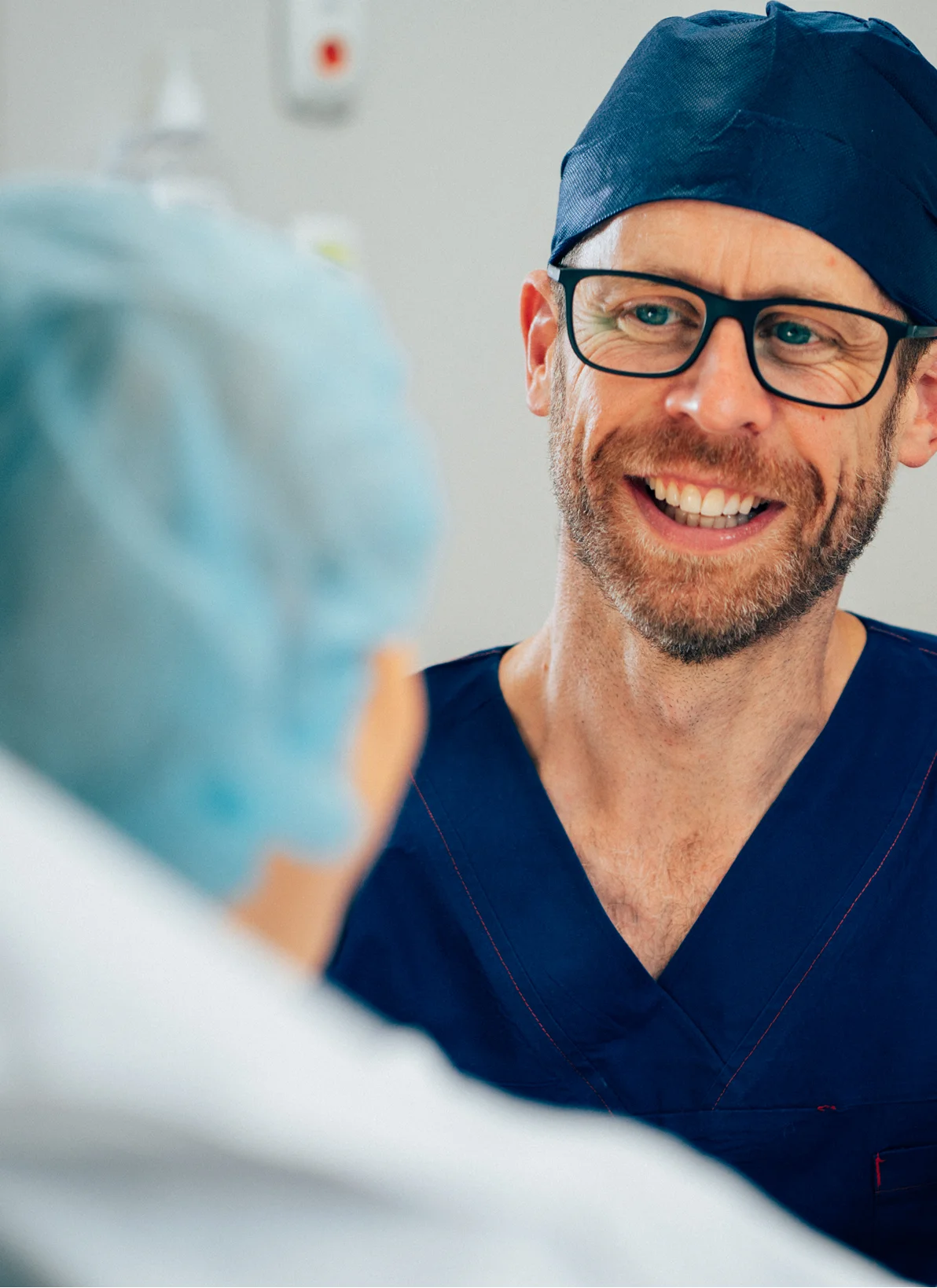
Dr Anthony Barker in scrubs and glasses speaking with healthcare colleague in medical setting - in New South Wales, Australia
White ethereal smoke wisps dispersing against light background creating abstract atmospheric pattern

Recovery After Upper Eyelid Surgery

Your Guide to Post- Upper Eyelid Surgery Care

Swelling, bruising, tightness, watering, dryness and temporary visual blurring can occur during early recovery. These symptoms are often most noticeable during the first week and then gradually improve. Cold compresses and head elevation may be recommended.

Many patients return to light daily activities within one to two weeks, although bruising may still be visible. Heavy lifting, strenuous exercise, contact lenses and eye makeup may be restricted for a period determined by healing progress. The eyelid contour and scars continue to settle over several months.

Risks and Possible Complications of Upper Blepharoplasty

All surgery carries risks. Relevant considerations include bleeding (including, rarely, bleeding behind the eye), infection, anaesthetic complications, corneal injury, dry or irritated eyes (which can be persistent), difficulty closing the eyelids, asymmetry, altered sensation, visible scarring, changes in eyelid position, temporary or persistent visual disturbance and the possibility of further treatment or surgery. Serious eye complications are rare but can have permanent consequences, as explained below.

Bleeding behind the eye (retrobulbar haemorrhage) is a rare but serious complication that usually occurs within the first hours or days after surgery. It can increase pressure on the eye and optic nerve and requires emergency treatment.

Upper blepharoplasty can rarely result in permanent visual impairment. Blindness is extremely rare but can occur, most often from bleeding behind the eye.

The surface of the eye (cornea) can be scratched or irritated during or after surgery. Difficulty closing the eyes fully, particularly in the early weeks, can expose the cornea and contribute to dryness, irritation or, rarely, corneal injury that needs treatment.

6 Tips for Recovery From Upper Blepharoplasty

Dr Barker understands that recovery can feel overwhelming at first. He aims to make it as smooth as possible, providing clear, specific instructions to help you feel more comfortable. Here are some of the instructions he may provide:

  1. Use a couple of extra pillows to elevate your head while resting and sleeping to minimise swelling
  2. Apply cold compresses on and off for the first 1-2 days
  3. Do not engage in strenuous activities or heavy lifting until approved
  4. Maintain your incision sites by using cleaning and scar-healing products
  5. Wear sunglasses when you go outside
  6. Return to our office for each subsequent follow-up appointment

How Much Does Upper Blepharoplasty Cost in Sydney?

The cost depends on the extent of upper-eyelid surgery, the anaesthetic and facility required and whether another procedure is performed at the same time. Surgeon, facility or hospital and anaesthetic fees may be charged separately. An itemised quotation is provided after consultation.

A Medicare rebate may apply when upper-eyelid reduction meets the requirements of the relevant MBS item, including an eligible clinical indication and required documentation. If an eligible item applies, private health insurance may also contribute depending on the policy, waiting periods and exclusions. Cosmetic eyelid surgery does not automatically qualify.

Can Medicare or Private Health Insurance Contribute to Upper Blepharoplasty?

Medicare may contribute when the requirements of the relevant MBS item are met, such as an eligible functional or medical indication supported by the required documentation. Private health insurance cover depends on the patient’s policy and whether an eligible item applies. Dr Barker’s team can advise whether an item may be relevant after assessment, but eligibility and benefits cannot be guaranteed.

Dr Anthony Barker in navy suit smiling with arms crossed against blue background

Arrange An Upper Blepharoplasty Consultation

If you are considering upper eyelid surgery, contact Dr Barker’s team to arrange a consultation. The practice welcomes patients from Sydney, Wollongong and surrounding areas.

Why Choose Dr Anthony Barker?

Dr Anthony Barker is a Specialist Plastic Surgeon and Fellow of the Royal Australasian College of Surgeons (FRACS). He performs aesthetic and reconstructive surgery and is a member of the Australian Society of Plastic Surgeons and the Australasian Society of Aesthetic Plastic Surgeons.

His approach to upper blepharoplasty includes assessing both eyelid skin and brow position, with attention to eyelid function, eye closure, and conservative tissue removal.

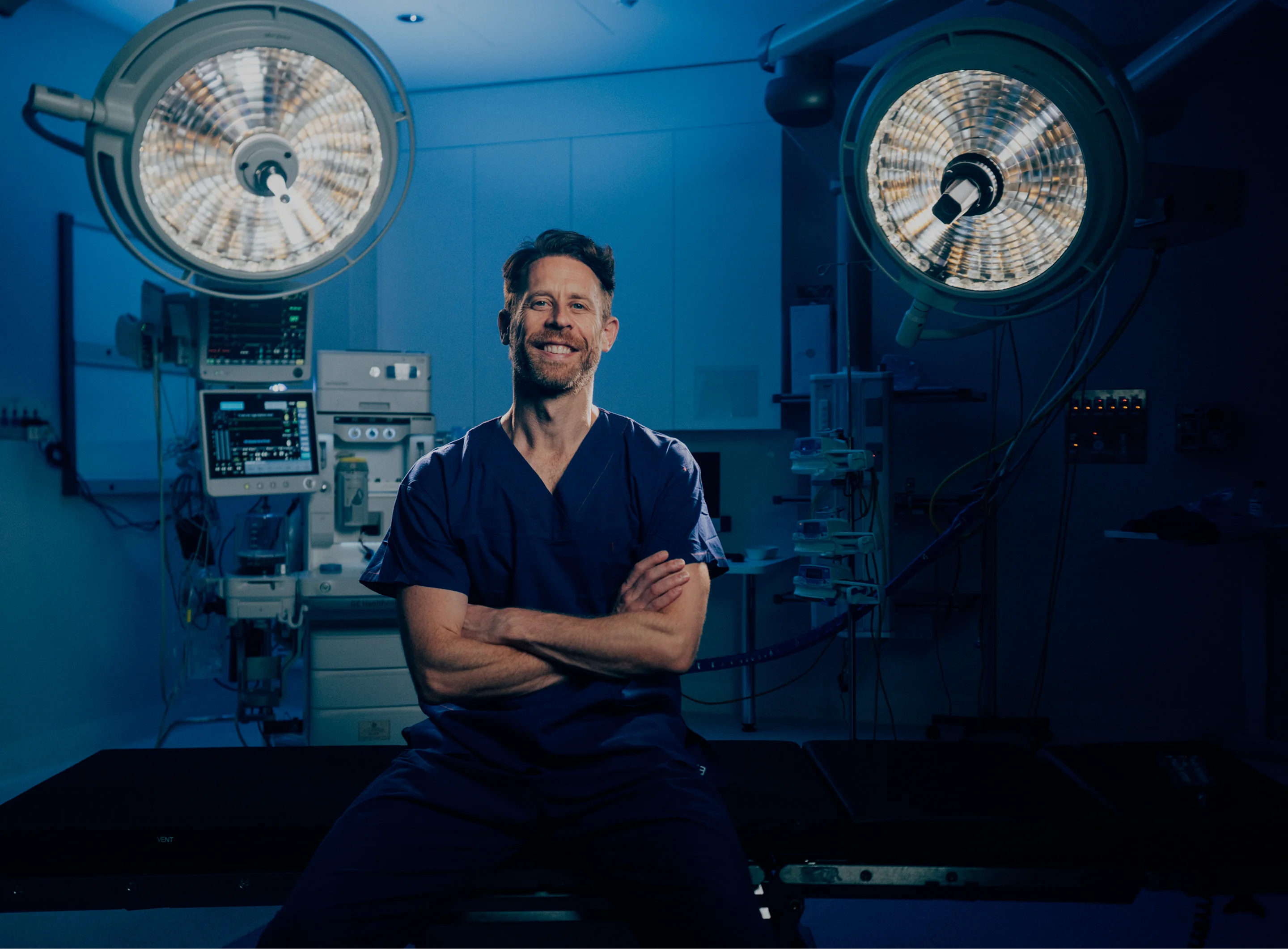
Dr Anthony Barker standing in operating room with surgical lights and medical equipment in background - in New South Wales, Australia

Sources

Upper Blepharoplasty FAQ’S

Schedule a

genuine, beautiful, natural looking results.

Consultation