Out of Town Patients Travel To Australia For Surgery

Dr Anthony Barker is based in Sydney and performs plastic and reconstructive surgery for suitable patients from throughout Australia.

Sydney and Wollongong

Travelling for Plastic Surgery

Patients travel from regional New South Wales, interstate and overseas for consultation and surgery. Travelling for an operation requires additional planning, including where you will stay, who will support you, how postoperative appointments will be managed and when it may be appropriate to return home.

Dr Barker’s team can help coordinate the parts of your surgical journey related to the practice. Travel, accommodation and personal support arrangements remain the patient’s responsibility.

Sydney Harbour with Opera House and city skyline on sunny day with blue water and ferry boats

Planning Surgery Away From Home

The amount of time you may need to spend in Sydney or Wollongong will depend on:

  • The operation being performed
  • Whether surgery is planned as a day procedure or includes an overnight hospital stay
  • Your general health and medical history
  • The distance and method of travel
  • Whether drains or specialised dressings are used
  • The timing of your first postoperative review
  • Whether you have suitable support after surgery
  • How your recovery progresses.

A patient having a smaller breast procedure may have different travel requirements from someone undergoing an abdominoplasty, body lift or combined operation.

For this reason, do not finalise flights and accommodation until you have discussed the likely surgical and follow-up plan with the practice.

Where Does Dr Barker Perform Surgery?

Dr Barker operates at four private hospitals in Sydney and Wollongong. The hospital is selected based on the procedure, the patient’s clinical needs, hospital availability, and other relevant factors.

Surgery is not performed at every hospital on every operating list. The practice will confirm the proposed hospital before surgery is booked.

75 Crown Street
Woolloomooloo NSW 2011

East Sydney Private Hospital is located close to Sydney CBD, Potts Point, Darlinghurst and Surry Hills.

Visit the East Sydney Private Hospital website

Consultations for Regional and Interstate Patients

We may sometimes arrange an initial discussion by telehealth for patients who live outside Sydney. This can be useful for discussing the procedure, medical history, general suitability and likely next steps.

Telehealth does not replace every part of the assessment. An in-person examination will be required before surgery. Depending on the procedure, additional consultation, referral and cooling-off requirements may also apply.

During your consultation, Dr Barker will discuss:

  • What you would like surgery to address
  • Your general health and medical history
  • Previous operations and relevant scars
  • Medications, supplements and allergies
  • Smoking, vaping or nicotine use
  • The proposed operation and alternatives
  • Likely scars and recovery
  • The risks and limitations of surgery
  • The expected postoperative review schedule
  • How long you may need to remain near the hospital.

You may be asked to provide photographs, previous operation reports, imaging or other medical information before your appointment. Photographs can assist with preliminary planning but do not replace a physical examination.

Dr Barker’s Consultation Locations

Dr Barker consults at three Sydney locations.

  • Surry Hills Clinic

423 Bourke Street
Surry Hills NSW 2010

Suite 8, 60 Park Street
Sydney NSW 2000

Suite 301, Level 3
2 Technology Place
Macquarie University NSW 2109

Your consultation location may be different from the hospital where your surgery is performed. The practice will confirm the correct address for each consultation and postoperative review.

Accommodation Near

Dr Barker’s Operating Hospitals

The following accommodation options are provided as a starting point for patients and support people travelling for surgery.

Dr Barker and the practice are not affiliated with these accommodation providers and do not receive a benefit from bookings. Availability, prices, accessibility and room facilities can change.

Contact the provider directly before booking and explain any accessibility requirements you may have following surgery.

Accommodation Near East Sydney Private Hospital

Accommodation options in Woolloomooloo and nearby Potts Point include:

Confirm the travel time to the hospital before booking, particularly if roadworks or major events are scheduled during your stay.

Accommodation Near St Luke’s Private Hospital

Nearby accommodation options include:

Apartment-style accommodation may be helpful for a longer stay. Check whether your selected room has suitable lift access, bathroom facilities and enough space for your support person.

Accommodation Near Macquarie University Hospital

Accommodation options around Macquarie Park and North Ryde include:

When booking, confirm the distance from the hospital entrance rather than relying only on the suburb name. Some parts of Macquarie Park may require a car, taxi or rideshare journey.

Accommodation Near Wollongong Private Hospital

Accommodation options in central Wollongong include:

Confirm the travel time between your accommodation, the hospital and the location of your postoperative appointments before booking.

What To Look for

When Booking Accommodation

Choose accommodation that supports your recovery, not just price or location.

Before booking, ask whether your selected room has:

  • Lift access or a ground-floor location
  • A walk-in shower rather than a shower over a bath
  • A bed that is easy to enter and exit
  • Space for a support person
  • Accessible parking or a nearby passenger drop-off point
  • Heating and air conditioning
  • A refrigerator for food or medications, if required
  • Meal preparation facilities or room service
  • Flexible booking and cancellation conditions
  • The option to extend your stay if medically required.

After abdominal, thigh or body-contouring surgery, getting in and out of low beds, baths or soft lounges may be difficult.

A room described as accessible may still have features that do not suit your particular recovery. Discuss your needs directly with the accommodation provider.

Dr Anthony Barker in blue scrubs consulting with patient in medical office - in New South Wales, Australia

Book Flexible Travel and Accommodation

Your discharge date or return journey may need to change if your recovery takes longer than expected or Dr Barker recommends another in-person review.

Where possible, select accommodation that allows:

  • Changes to arrival and departure dates
  • An extension of your stay
  • Cancellation without a substantial penalty
  • A support person to stay in the same room.

Avoid booking flights or accommodation that cannot be changed unless you are prepared to meet the cost of changing your plans.

How Long Should I Stay Near the Hospital?

There is no standard length of stay that is appropriate for every patient.

You may need to remain near the hospital until:

  • Your early recovery has been reviewed
  • Pain and nausea are adequately controlled
  • You can walk and manage basic daily activities safely
  • Any drains or specialised dressings have been assessed
  • There are no concerns requiring closer monitoring
  • Dr Barker considers your planned method of travel appropriate.

Patients undergoing more extensive surgery may need to stay nearby for longer than those having a smaller day procedure. Combined procedures may also require a longer local recovery period.

The practice will provide an estimated timeframe during surgical planning. This may need to change if your recovery is slower than expected or you require an additional in-person review.

You Will Need a Support Person

You will need a responsible adult to collect you from hospital following general anaesthesia or sedation. You should not travel home alone by taxi, rideshare or public transport immediately after discharge.

Your support person should remain with you for at least the first night. You may need longer assistance after major or combined surgery.

Depending on the procedure, your support person may need to help with:

  • Meals and fluids
  • Medications
  • Dressing and personal care
  • Walking and getting in or out of bed
  • Transport to postoperative appointments
  • Monitoring for unexpected symptoms
  • Contacting the practice or hospital if concerns arise.

If you do not have appropriate support, tell the practice before booking surgery. Surgery may need to be postponed if a safe recovery arrangement cannot be established.

Travelling Home After Surgery

Do not assume that you can fly or drive a long distance immediately after an operation.

Recent surgery and prolonged immobility can increase the risk of blood clots. Swelling, pain, restricted movement, dressings and medication may also make travel difficult.

The timing of your return journey depends on:

  • The type and duration of surgery
  • Your mobility
  • Your medical history and individual blood-clot risk
  • Whether you have drains or specialised dressings
  • The length of the flight or car journey
  • Whether you have experienced any early recovery concerns.

Dr Barker will advise when your planned method of travel may be appropriate. This advice may change according to how you recover.

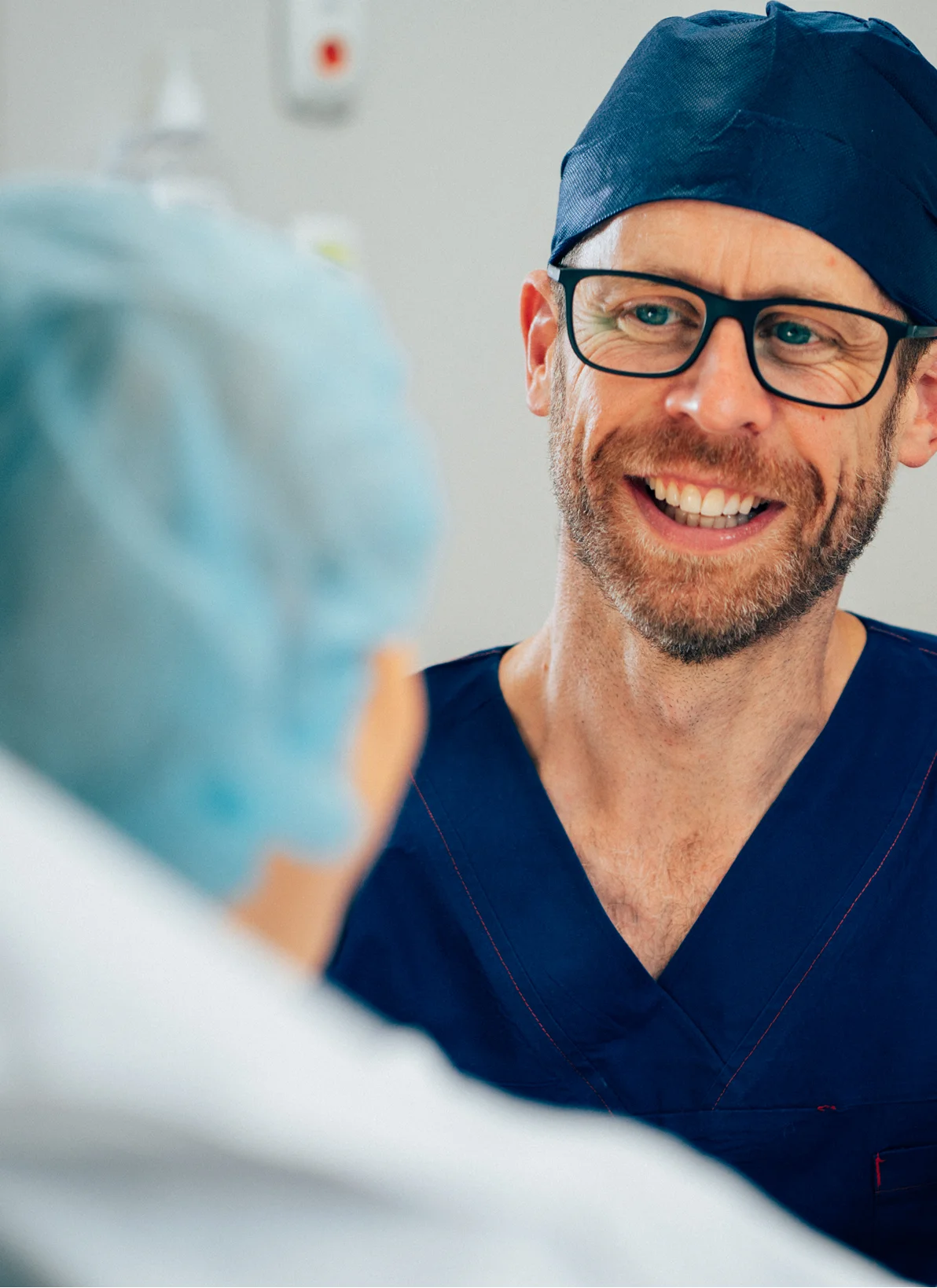
Dr Anthony Barker in scrubs and glasses speaking with healthcare colleague in medical setting - in New South Wales, Australia
White ethereal smoke wisps dispersing against light background creating abstract atmospheric pattern

Driving After Surgery

You should not drive while taking medication that causes drowsiness or while pain, dressings or restricted movement prevent you from controlling a vehicle safely.

Before returning to driving, you should be able to:

  • Wear a seatbelt comfortably
  • Turn your body and check blind spots
  • Operate the steering wheel and vehicle controls
  • Perform an emergency stop
  • Enter and exit the vehicle safely
  • Concentrate without the effects of sedating medication.

Your motor vehicle insurer may have additional requirements following surgery. Contact your insurer if you are uncertain about your cover.

Postoperative Reviews

Your first postoperative review will be planned according to the procedure performed. Some patients require dressing changes, drain reviews or wound checks before returning home.

Later care may involve a combination of:

  • In-person reviews with Dr Barker or the practice nurse
  • Telehealth appointments
  • Dressing changes with a local GP or nurse
  • Imaging or pathology arranged locally
  • Additional assessment in Sydney or Wollongong if a concern develops.

Telehealth can assist with some follow-up appointments, but it cannot replace a physical examination when a wound, swelling or other concern needs to be assessed in person.

Patients should be prepared to return to Sydney or Wollongong if Dr Barker considers an in-person review necessary.

What if I Develop a Concern After Returning Home?

You will receive instructions explaining how to contact the practice and which symptoms require urgent assessment.

Contact the practice promptly if you develop an unexpected change such as increasing pain, redness, swelling, wound separation, discharge, fever or a sudden difference between the operated areas.

Some symptoms require urgent medical care and should not wait for a telehealth appointment. If you develop chest pain, difficulty breathing, collapse, severe bleeding or another medical emergency, call Triple Zero (000) or attend the nearest emergency department.

Being an interstate or regional patient does not mean every postoperative concern can be managed remotely. You may need an examination, imaging, hospital treatment or a return visit to Dr Barker.

Arranging Local Medical Support

Before returning home, regional and interstate patients may be asked to identify a local GP, medical centre or community nursing service that can assist if required.

With your permission, the practice can provide relevant instructions or correspondence to a local healthcare practitioner. The availability and cost of local services vary and should be investigated before surgery.

A local healthcare professional does not replace Dr Barker’s postoperative care. Contact Dr Barker’s team if you have concerns, even if you have also arranged a local review.

Travel and Accommodation Costs

Travel, accommodation, meals, parking and support-person expenses are separate from the surgical quotation.

Patients should also plan for possible additional expenses if:

  • Accommodation needs to be extended
  • Flights or other transport need to be changed
  • A support person needs to remain longer
  • Additional local nursing or medical care is required
  • An unplanned return to Sydney or Wollongong is recommended.

Medicare and private health insurance generally assess medical and hospital benefits separately from personal travel expenses. Contact your insurer directly to ask whether your policy includes travel or accommodation assistance.

Planning Checklist for Travelling Patients

Before surgery, confirm that you have:

  • Completed all required consultations and medical assessments
  • Received written confirmation of the hospital and admission details
  • Arranged suitable accommodation
  • Organised a responsible adult to collect and support you
  • Allowed enough time near the hospital for early reviews
  • Selected flexible travel arrangements where possible
  • Identified a local GP or nursing service if requested
  • Organised time away from work and caring responsibilities
  • Packed prescribed medications, garments and postoperative information
  • Saved the practice, hospital and emergency contact details.

Arrange a Consultation

If you live outside Sydney and are considering surgery with Dr Anthony Barker, contact the practice to discuss the consultation process and likely travel requirements.

Dr Barker’s team can explain which appointments may be suitable for telehealth, when an in-person assessment is required and how postoperative reviews are usually planned for your procedure.

Make travel arrangements only after discussing the proposed hospital and expected recovery plan.

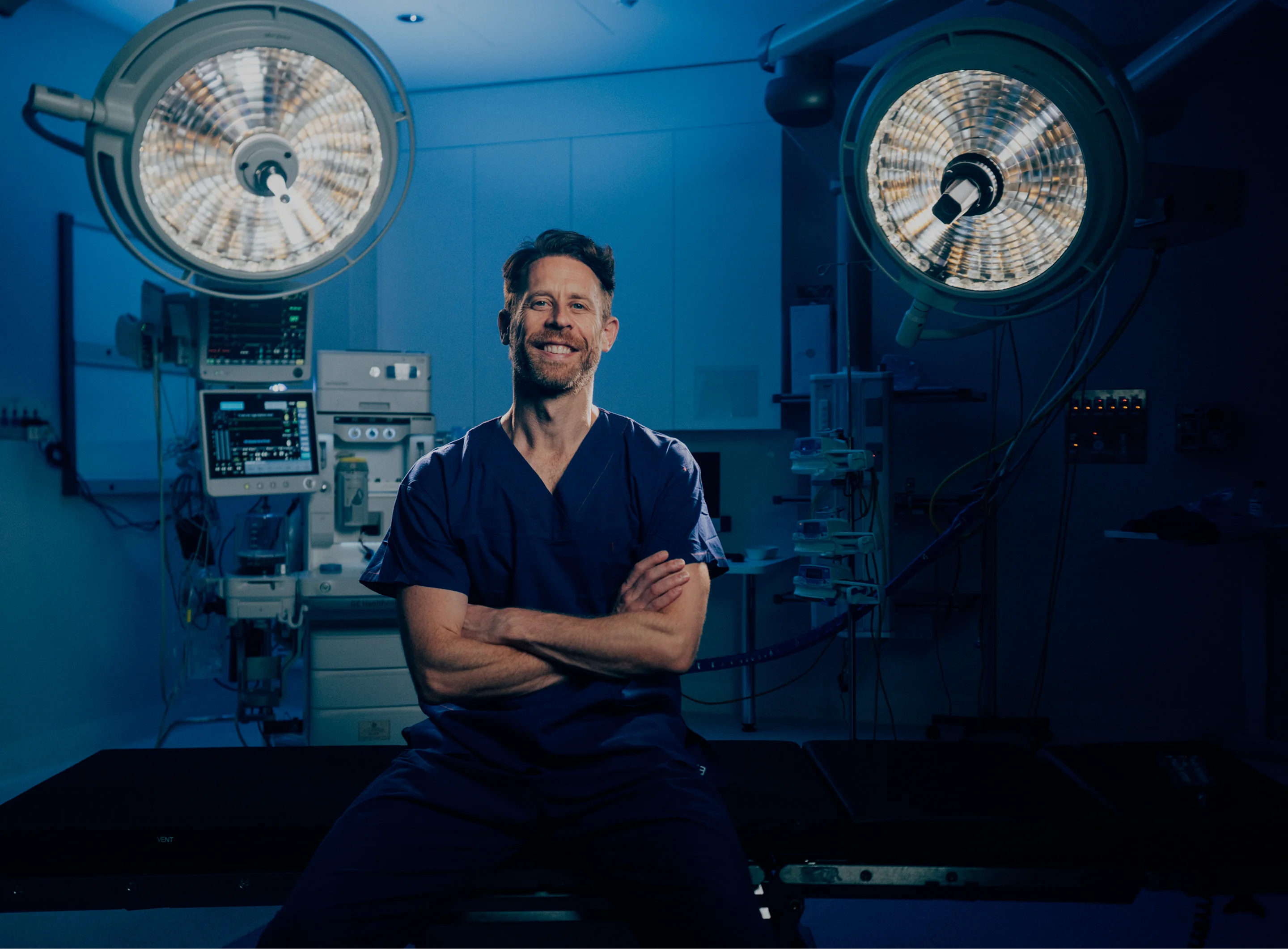
Dr Anthony Barker standing in operating room with surgical lights and medical equipment in background - in New South Wales, Australia

Schedule a

genuine, beautiful, natural looking results.

Consultation