Nipple and Areolar Correction Plastic Surgeon Wollongong & Sydney

Nipples and areolae naturally vary in size, shape, position and projection. It is also common for one side to look different from the other.

Introduction to Nipple and Areola Correction

Understanding Nipple and Areola Surgery

Some differences develop during puberty, while others become more noticeable following pregnancy, breastfeeding, significant weight loss, ageing or previous breast surgery. Treatment may involve a focused nipple or areola procedure or form part of a broader breast operation.

Dr Anthony Barker is a Specialist Plastic Surgeon based in Sydney. He consults with suitable patients from Sydney, Wollongong and throughout Australia who are considering nipple or areola correction surgery.

Minimalist line drawing of female figure in abstract artistic style - Breast in New South Wales, Australia

What Can Nipple and Areola Surgery Address?

Nipple and areola correction is a general term for several procedures that can change nipple projection, areola size or the position of the nipple-areola complex.

Patients may seek advice about:

  • Inverted or retracted nipples
  • Enlarged, widened or stretched areolae
  • Long, wide or prominent nipples
  • Differences between the nipples or areolae
  • Changes following pregnancy or breastfeeding
  • Changes following significant weight loss
  • Nipple or areola position following previous breast surgery
  • Scars or recurrent stretching around the areola.

The right treatment depends on your specific concern and the shape of your surrounding breast tissue. A focused correction may suit some cases, while others may require a breast lift, reduction, augmentation, or revision procedure to address the underlying breast shape.

What If a Nipple Has Recently Become Inverted?

A nipple that has always been inverted is different from a nipple that develops a new change.

If a nipple has recently pulled inward—particularly on one side—it should be medically assessed before considering cosmetic correction. The same applies if the change is associated with a breast lump, nipple discharge, skin changes or persistent breast pain.

Your GP or breast specialist may recommend an examination or breast imaging before referring you for surgery.

Areola reduction decreases the diameter of an enlarged, widened or stretched areola. It may be considered when the areolae have always been large or have changed following pregnancy, breastfeeding, weight change or breast surgery.

During the procedure, the surgeon removes a circular section of skin from around the outside of the areola. The surrounding breast skin is then brought inward.

The resulting scar sits around the areola border. It is usually more noticeable during early healing and generally softens with time, although the final appearance varies.

The tissues remain exposed to tension, ageing and future breast changes. For this reason, some widening or stretching of the areola can recur.

Inverted Nipple Correction

An inverted nipple sits flat or pulls inward rather than projecting from the breast. It can affect one or both sides and may range from mild inversion, where the nipple can be drawn out, to a more fixed position.

Inverted nipples often result from tight tissue or shortened milk ducts beneath the nipple. Surgery aims to release the structures holding the nipple inward and support it in a more projected position.

The technique depends on:

  • The degree of inversion
  • Whether the nipple can be drawn out
  • Whether one or both nipples are affected
  • Previous breast surgery
  • Whether preserving the milk ducts is a priority.

Correction can improve nipple projection, but some flattening or recurrent inversion can occur as the area heals.

Correction Following Previous Breast Surgery

The nipples and areolae can change following breast augmentation, breast reduction, breast lifting, implant removal or breast reconstruction.

Concerns may include:

  • Stretching or widening of the areola
  • Differences in nipple or areola position
  • Changes in shape
  • Noticeable scarring
  • Recurrent nipple inversion
  • Changes in sensation
  • Asymmetry following breast surgery

Revision planning needs to account for previous scars, changes in blood supply, internal scar tissue and the current breast shape. A focused correction may be possible, but you may sometimes need a broader breast revision procedure.

Changes After Pregnancy or Significant Weight Loss

Pregnancy, breastfeeding and significant weight loss can stretch the breast skin and areolae. The breasts may also lose volume or sit lower on the chest, changing the position of the nipples.

If the main concern is an enlarged areola, areola reduction alone may be appropriate. However, when the entire breast has lowered or lost shape, a breast lift or another breast procedure may provide a more suitable approach.

Dr Barker will assess the nipple and areola in relation to the whole breast before recommending treatment.

Dr Anthony Barker in blue scrubs consulting with patient in medical office - in New South Wales, Australia

Your Consultation

Your consultation begins with a discussion of your concerns and whether the nipple or areola difference has always been present or has developed more recently.

Dr Barker will assess:

  • Nipple projection
  • Nipple length and width
  • Areola size, shape and position
  • Breast size and shape
  • Differences between the breasts
  • Skin quality
  • Previous breast scars.

The consultation will cover the proposed procedure, scar position, recovery, the possibility of recurrence and potential effects on nipple sensation or breastfeeding.

If a recent nipple change requires medical assessment or breast imaging, this should be completed before cosmetic surgery is planned.

Preparing for Surgery

If you decide to proceed, the practice will provide instructions specific to the planned correction. These may include reviewing medicines and supplements, completing any requested breast imaging or medical assessment, discussing smoking or nicotine use and arranging transport home where sedation or general anaesthesia is used.

What Happens During Surgery?

The type of anaesthetic depends on the correction being performed and whether it is combined with another breast procedure.

Some smaller standalone procedures may be performed under local anaesthetic. Sedation or general anaesthesia may be recommended for more extensive corrections or combined breast surgery.

Nipple and areola correction is usually performed as a day procedure. The need for transport home and support during the first night will depend on the anaesthetic and extent of surgery.

Dr Anthony Barker in scrubs and glasses speaking with healthcare colleague in medical setting - in New South Wales, Australia
White ethereal smoke wisps dispersing against light background creating abstract atmospheric pattern

Recovery After Nipple or Areola Correction

Your Guide to Post-Nipple or Areola Correction Care

Mild swelling, bruising, tenderness and temporary changes in sensation are common during early recovery. Dressings are used to protect the incisions, and a supportive bra may be recommended.

After a smaller standalone correction, many patients return to light daily activities or office-based work within several days. Recovery is longer when the procedure is combined with breast augmentation, lifting, reduction or revision surgery.

Exercise restrictions depend on the procedure performed. Swelling and scar colour gradually improve over the following weeks and months.

Risks and Possible Complications of Nipple and Areola Surgery

Nipple and areola correction has risks, including bleeding, infection, delayed healing, noticeable scarring, asymmetry and altered nipple sensation. Nipple inversion or areola stretching may recur, and you may occasionally need further treatment or surgery.

As with any surgery, bleeding, infection and delayed wound healing can occur. Bleeding may cause a blood collection (haematoma) that needs draining, and an infection may require antibiotics or, occasionally, further treatment. Smoking and nicotine use can slow healing.

The anaesthetic used depends on the procedure. Local anaesthetic can cause temporary discomfort or, rarely, a reaction to the medicine. Sedation and general anaesthesia carry their own risks, including reactions to medicines and breathing or heart problems. When general anaesthesia is used, or the correction is combined with other breast surgery, blood clots can form in the deep veins of the legs (deep vein thrombosis) and may travel to the lungs (pulmonary embolism), which can be life-threatening.

Combining Correction With Other Breast Surgery

Nipple or areola correction may be performed alone or combined with another breast operation.

During a breast lift or breast reduction, the nipple and areola are usually repositioned as part of the main procedure. Areola size may also be reduced where appropriate.

Inverted nipple correction or nipple reduction can sometimes be added to breast augmentation, breast lifting, reduction, implant removal or revision surgery. However, not every difference requires a separate procedure.

A Brief Note About Risks

Nipple and areola correction has risks, including bleeding, infection, delayed healing, noticeable scarring, asymmetry and altered nipple sensation. Nipple inversion or areola stretching may recur, and you may occasionally need further treatment or surgery.

Depending on the procedure, breastfeeding may also be affected. The considerations relevant to your proposed operation will be explained during consultation and through the formal informed-consent process.

How Much Does Nipple and Areola Correction Cost in Sydney?

The cost depends on the type and complexity of the correction, the anaesthetic required and whether it is performed alone or with another breast procedure.

You will receive an itemised quotation after consultation. Surgeon, facility or hospital and anaesthetic fees may be quoted separately.

Standalone surgery performed for appearance-related reasons is generally not eligible for Medicare or private health insurance benefits. Benefits may apply in some circumstances when the correction forms part of a medically indicated procedure and meets the applicable requirements. Eligibility is assessed independently and cannot be guaranteed by the practice.

Why Choose Dr Anthony Barker?

Dr Anthony Barker is a Specialist Plastic Surgeon and Fellow of the Royal Australasian College of Surgeons (FRACS). He performs aesthetic and reconstructive breast surgery and is a member of the Australian Society of Plastic Surgeons and the Australasian Society of Aesthetic Plastic Surgeons.

His approach considers the nipple and areola in relation to the entire breast rather than treating the concern in isolation. This helps determine whether a focused correction or a broader breast procedure is more appropriate.

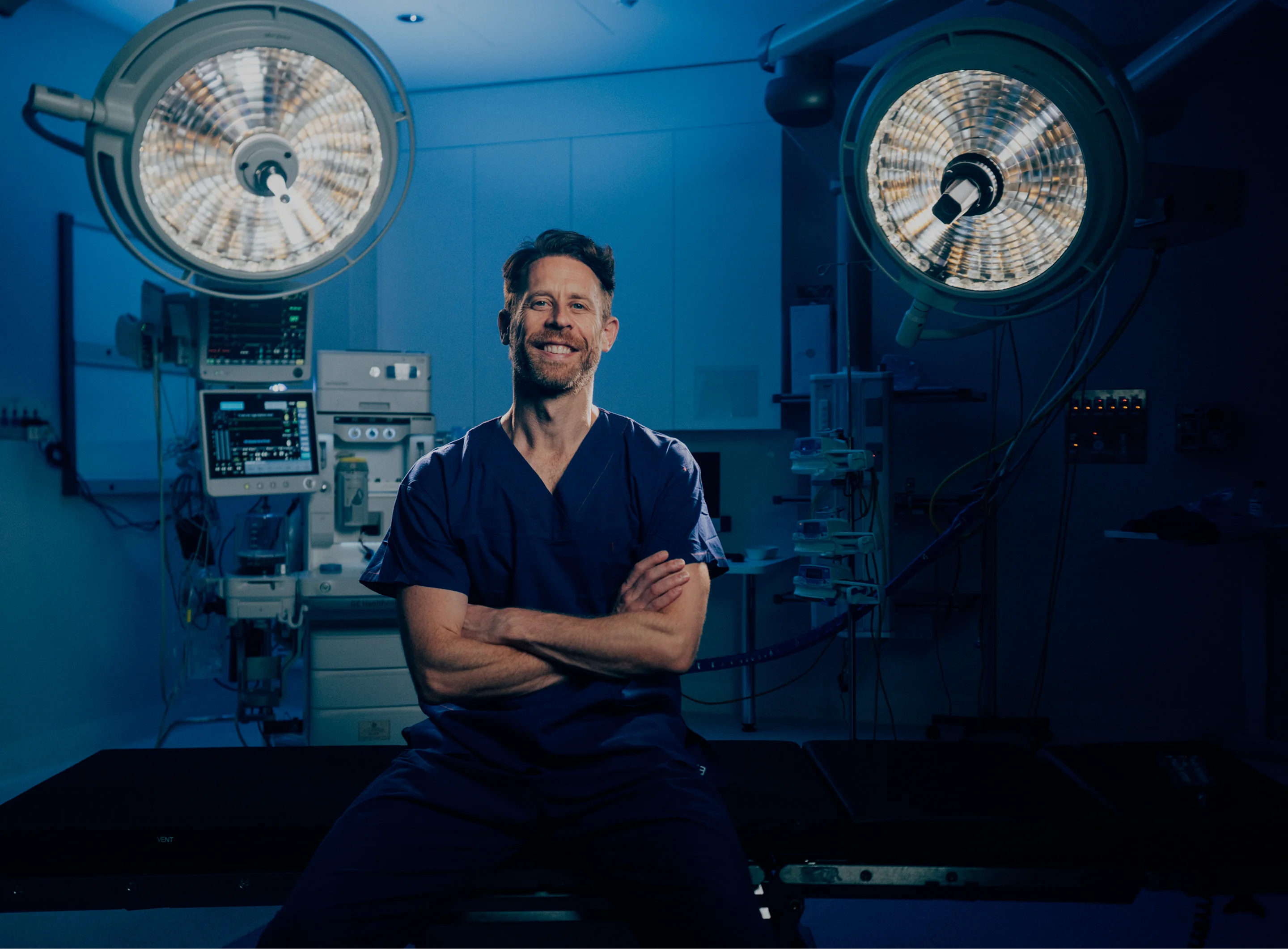
Dr Anthony Barker standing in operating room with surgical lights and medical equipment in background - in New South Wales, Australia

Nipple and Areolar Correction FAQs

Schedule a

genuine, beautiful, natural looking results.

Consultation