Breast Augmentation Plastic Surgeon Wollongong & Sydney

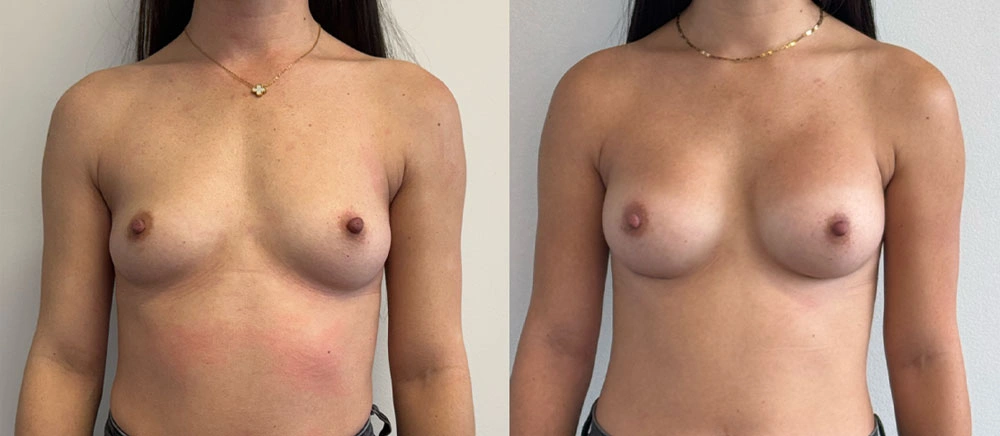
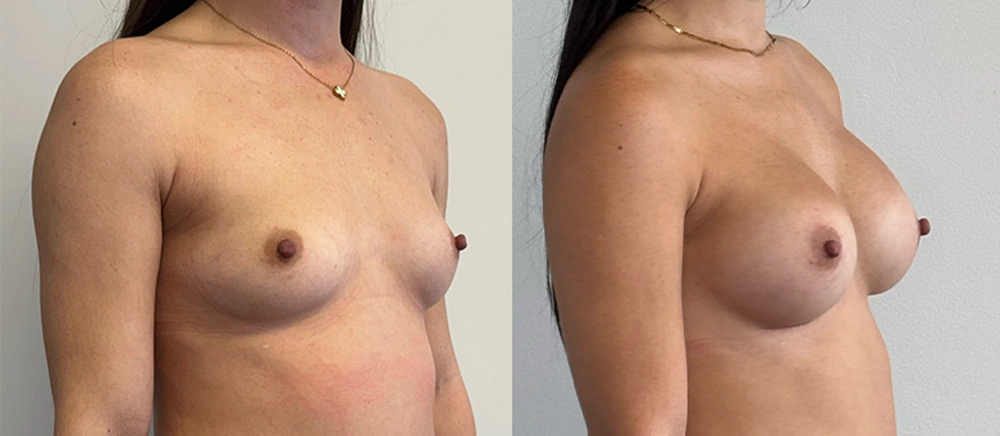
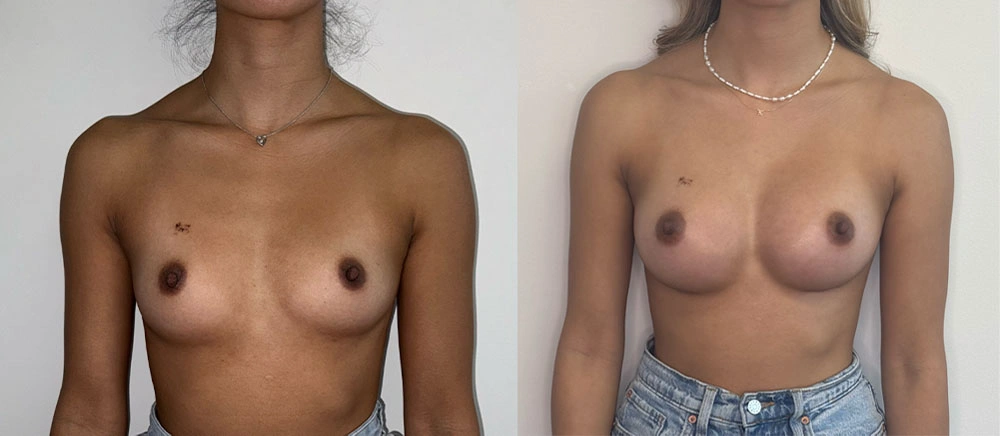
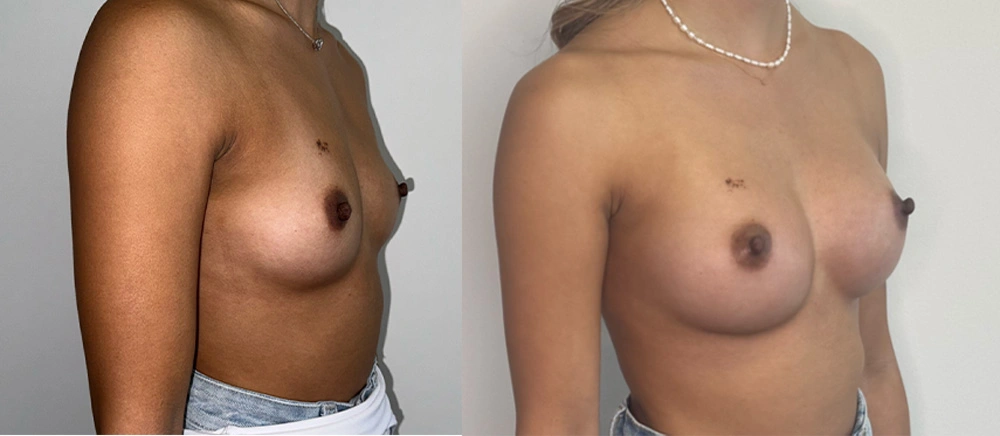
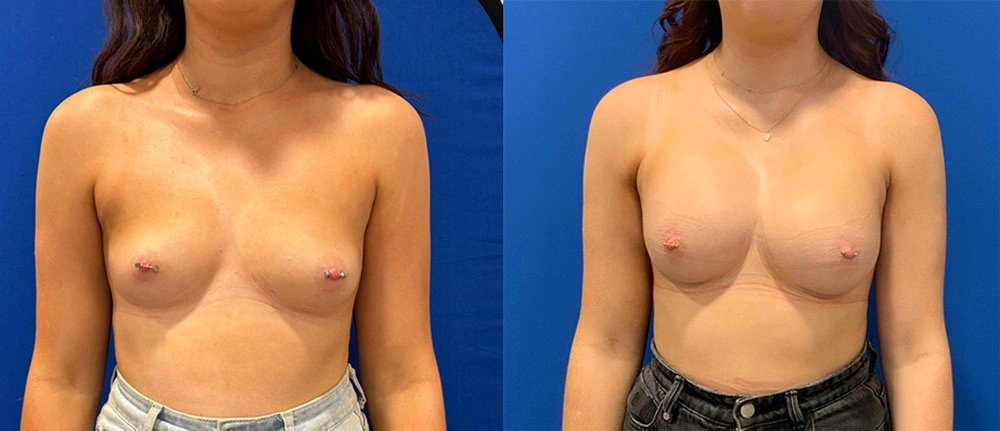
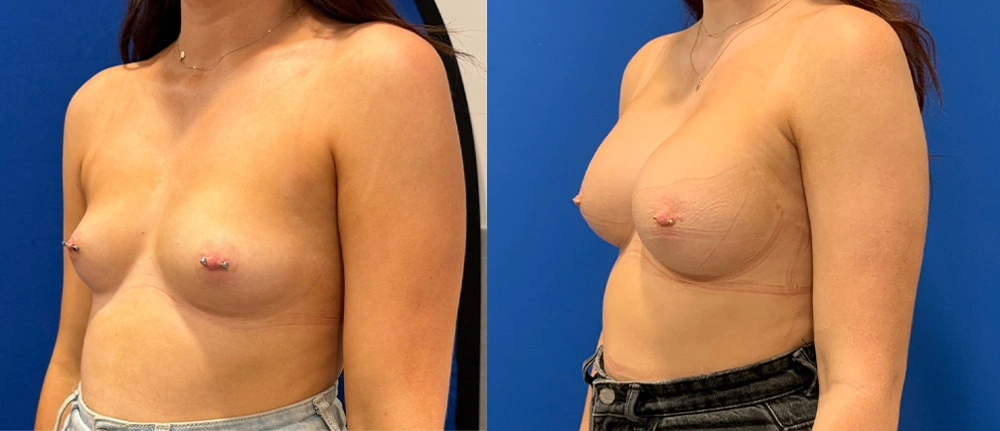
Breast augmentation is a surgical option for patients considering an increase in breast volume or a change in breast shape and projection.

Introduction to Breast Augmentation

Enhance Breast Shape, Volume, and Proportion

Some patients have always had a smaller breast volume or a noticeable difference between their breasts. Others consider surgery after pregnancy, breastfeeding, or weight loss has changed the fullness of their breasts.

No single implant or breast shape suits everyone. The surgical plan should reflect the patient’s natural breast tissue, chest proportions, skin quality and preferences.

Specialist Plastic Surgeon Dr Anthony Barker is based in Sydney and performs breast augmentation for suitable patients from across Australia.

Minimalist line drawing of female figure showing body contour for breast augmentation consultation - Breast in New South Wales, Australia

What Is Breast Augmentation?

Breast augmentation uses implants to add breast volume and alter shape or projection.

The implant is placed beneath the breast tissue or partly beneath the chest muscle. The position depends on the patient’s anatomy, available tissue coverage and the implant selected.

Breast augmentation may address some differences between the breasts, but perfect symmetry cannot be achieved or guaranteed.

An implant adds volume but does not reliably lift a breast with substantially loose skin or a low nipple position. When breast position also needs to be addressed, Dr Barker may discuss a breast lift with or without implants.


A breast lift with implants may be considered when the breasts have lost both volume and position.

The lift reshapes and raises the breast tissue, while the implant adds volume. This operation creates additional scars and has a different recovery from augmentation alone.

In some patients, Dr Barker may recommend performing the breast lift and augmentation in separate stages.

Breast Augmentation After Pregnancy or Weight Loss

Pregnancy, breastfeeding and significant weight loss can reduce breast volume and stretch the surrounding skin.

For some patients, an implant alone may add sufficient volume. For others, a breast lift may also be required because the nipple and breast tissue sit lower on the chest.

Patients considering breast surgery after breastfeeding should wait until breastfeeding has finished and breast volume has stabilised.

Another pregnancy or substantial weight change can alter the breasts again. Patients planning these changes in the near future may prefer to delay surgery.

Reasons Patients Consider Breast Augmentation

Patients may consider breast augmentation to:

  • Increase breast volume
  • Restore fullness after pregnancy, breastfeeding or weight loss
  • Change breast projection
  • Address a difference in breast size or development
  • Add upper-breast volume where appropriate
  • Bring the breast volume into a different balance with the patient’s proportions.

These are personal decisions. During consultation, Dr Barker will discuss what surgery may reasonably change and its limitations.

Dr Anthony Barker in blue scrubs consulting with patient in medical office - in New South Wales, Australia

Planning Surgery With Dr Barker

During consultation, Dr Barker will ask what the patient would like to change and assess:

  • Breast and chest width
  • Existing breast volume
  • Skin quality
  • Breast and nipple position
  • Natural asymmetry
  • Previous breast surgery
  • Breast-screening history

The consultation includes discussion of implant size, shape and profile, implant placement, scars, recovery, risks and alternatives.

If implants alone are unlikely to address the patient’s concerns, Dr Barker may recommend a breast lift, breast lift with implants, fat transfer or another approach.

For cosmetic surgery, the practice will also explain the applicable referral, consultation, psychological screening, informed consent and cooling-off requirements.

Motiva and Mentor Breast Implants

Dr Barker uses silicone gel implants from Motiva and Mentor.

Both manufacturers offer implants in a range of widths, volumes and projection profiles. Dr Barker selects the brand and model based on the patient’s measurements, existing breast tissue, and surgical plan.

Neither brand is automatically the right choice for every patient. Dr Barker will explain the relevant differences and the reasons he recommends a particular option.

Patients receive information about the proposed implant before surgery and an implant card containing the device details after their procedure.

Choosing Breast Implants

Implant selection is based on breast and chest measurements rather than cup size alone.

Bra sizing varies between brands, and the same implant can look different on patients with different chest dimensions and existing breast tissue.

Dr Barker considers the implant’s:

  • Width
  • Volume
  • Projection
  • Shape
  • Gel characteristics
  • Surface characteristics

A larger implant is not necessarily more suitable. The breast tissue and skin must be able to cover and support the implant over time.

During consultation, Dr Barker will discuss a range of implant dimensions appropriate for the patient’s anatomy and preferred degree of volume.

Where Is the Implant Positioned?

Implants may be positioned above the chest muscle or partly beneath it. In dual-plane placement, the upper portion lies beneath the chest muscle and the lower portion beneath the breast tissue.

The proposed position depends on:

  • Existing breast-tissue coverage
  • Breast shape and position
  • Skin thickness
  • Chest-wall anatomy
  • Implant dimensions
  • Lifestyle and physical activity

Each option has advantages and limitations. Dr Barker will explain which position he considers appropriate and how it may affect the appearance and recovery.

What Happens During Surgery?

Breast augmentation is performed under general anaesthesia in an appropriately accredited hospital.

Dr Barker creates the planned implant pocket, positions the implant and closes the incision. Surgery generally takes approximately one to two hours, although this varies.

Many patients leave hospital on the day of surgery. An adult must collect the patient and remain with them during the initial recovery period.

Dressings and a surgical support bra are applied after the operation. A stabilising band may also be recommended depending on the implant position.

Dr Anthony Barker in scrubs and glasses speaking with healthcare colleague in medical setting - in New South Wales, Australia
White ethereal smoke wisps dispersing against light background creating abstract atmospheric pattern

Recovery After Breast Augmentation

Your Guide to Post-Breast Augmentation Care

Swelling, tightness, bruising and discomfort are expected during early recovery.

The breasts may initially appear higher, firmer or less even than expected. Their appearance gradually changes as the swelling reduces and the tissues adjust.

Many patients return to office-based work within approximately one to two weeks. Physical work may require longer.

Heavy lifting, upper-body training, and strenuous exercise are generally restricted for about six weeks, or until Dr Barker advises that they can be resumed.

The breasts continue to settle over several months. Recovery varies, particularly when augmentation is combined with a breast lift or another procedure.

Risks and Possible Complications of Breast Augmentation

Breast implants are medical devices and should not be considered lifetime devices. There is no automatic replacement date, but revision, removal or replacement may be required if a problem develops or the patient’s preferences change.

  • Possible complications include:
  • Infection
  • Changes in sensation
  • Scarring
  • Asymmetry
  • Implant movement
  • Implant rupture
  • Rippling
  • Capsular contracture
  • The need for further surgery

Rare implant-associated cancers have also been reported in the tissue or fluid surrounding breast implants. Some patients report systemic symptoms sometimes referred to as breast implant illness, although the relationship between implants and these symptoms continues to be investigated.

Dr Barker will provide detailed information about implant risks and symptoms requiring assessment before a decision is made.

Patients should continue routine breast screening and tell the imaging provider that they have implants. Any new swelling, lump, persistent pain or unexplained change in the breast should be medically assessed.

Breast Augmentation Scars

The incision is commonly positioned in the fold beneath the breast.

All breast augmentation surgery leaves a permanent scar. Scars are generally more noticeable during early healing and commonly soften and change over time.

The final position, colour and width of a scar vary between patients and cannot be predicted precisely.

Breast Implant Safety and Ongoing Care

Breast implants are medical devices and should not be considered lifetime devices. There is no automatic replacement date, but revision, removal or replacement may be required if a problem develops or the patient’s preferences change.

Possible complications include infection, changes in sensation, scarring, asymmetry, implant movement, rupture, rippling, capsular contracture and the need for further surgery.

Rare implant-associated cancers have also been reported in the tissue or fluid surrounding breast implants. Some patients report systemic symptoms sometimes referred to as breast implant illness, although the relationship between implants and these symptoms continues to be investigated.

Dr Barker will provide detailed information about implant risks and symptoms requiring assessment before a decision is made.

Patients should continue routine breast screening and tell the imaging provider that they have implants. Any new swelling, lump, persistent pain or unexplained change in the breast should be medically assessed.

Breast Augmentation Costs

The cost of breast augmentation depends on the implant selected, the complexity of surgery and whether another procedure is performed at the same time.

We provide an individualised quotation after consultation, including the expected surgeon, anaesthetist, implant, and hospital fees.

Medicare does not cover breast augmentation performed solely for cosmetic reasons. Private health insurance generally does not contribute towards cosmetic breast augmentation.

Future imaging, implant revision, replacement or removal may involve additional costs.

Why Choose Dr Anthony Barker?

Dr Anthony Barker is a Specialist Plastic Surgeon and Fellow of the Royal Australasian College of Surgeons (FRACS). He performs cosmetic and reconstructive breast surgery and is a member of the Australian Society of Plastic Surgeons.

His consultations focus on careful assessment, clear discussion of the available options and a surgical plan that reflects each patient’s anatomy and priorities. This includes explaining when implants alone may not be the most suitable approach.

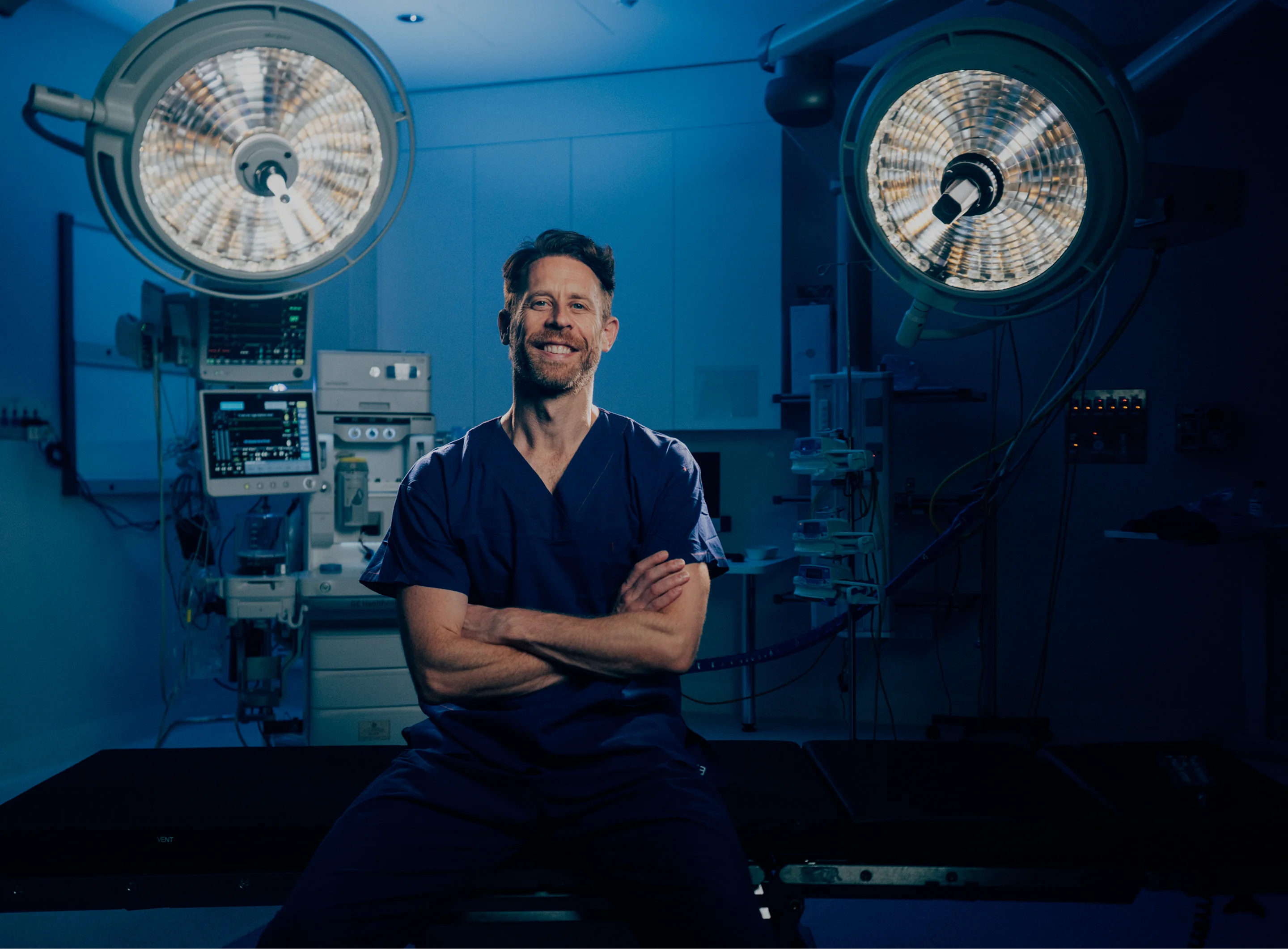
Dr Anthony Barker standing in operating room with surgical lights and medical equipment in background - in New South Wales, Australia

Breast Augmentation FAQs

Schedule a

genuine, beautiful, natural looking results.

Consultation