Post-Pregnancy Plastic Surgeon Wollongong & Sydney

Pregnancy, childbirth and breastfeeding can change the breasts, abdominal wall, skin and body contour. Some changes settle naturally with time, while others remain after breastfeeding has finished and body weight has stabilised.

Post-Pregnancy Surgery in Sydney

Breast and Abdominal Surgery After Pregnancy.

Post-pregnancy surgery is not one standard operation. It is an individual treatment plan that may involve breast surgery, abdominoplasty, liposuction or a combination of procedures.

Specialist Plastic Surgeon Dr Anthony Barker is based in Sydney and performs post-pregnancy breast and body surgery for suitable patients from across Australia.

Recommendations are based on the patient’s anatomy, general health, future pregnancy plans and treatment priorities. Patients travelling from interstate may require additional planning for consultations, surgery and postoperative care.

Line drawing of female figure in profile showing natural body contours for breast explant surgery discussion - MTF in New South Wales, Australia

What Changes Can Occur After Pregnancy?

Pregnancy affects each person differently. Changes that may be discussed during a post-pregnancy consultation include:

  • Loose or stretched abdominal skin
  • Rectus diastasis or abdominal muscle separation
  • A lower-abdominal skin fold
  • Changes around a caesarean section scar
  • Loss of breast volume following pregnancy or breastfeeding
  • Lowered breast or nipple position
  • Heavy breasts or changes in breast shape
  • Differences between the breasts
  • Localised fat around the abdomen, waist, hips or other areas

Exercise can improve strength, fitness and muscle tone. However, it cannot substantially remove loose skin, restore lost breast volume, or directly repair structural separation of the abdominal muscles.

The right surgical option depends on which tissues have changed and what the patient wants assessed.


Breast Surgery After Pregnancy and Breastfeeding

Breast volume, skin and shape may change during pregnancy and again after breastfeeding. The appropriate breast procedure depends on whether the main concern is reduced volume, lowered position, heaviness, loose skin or a combination of these features.

A breast lift, also called mastopexy, reshapes the existing breast tissue, removes selected excess skin and raises the nipple position.

It may be considered when the patient has adequate breast volume, but the breast tissue and nipple position have lowered.

A breast lift does not substantially increase breast volume. It creates permanent scars, and the exact scar pattern depends on the degree of lifting and reshaping required.

Abdominoplasty After Pregnancy

Abdominoplasty, commonly called tummy tuck surgery, removes selected excess abdominal skin and underlying tissue.

When rectus diastasis is present, and repair is clinically appropriate, the abdominal wall may also be tightened during the procedure.

An abdominoplasty scar generally extends across the lower abdomen. Its length depends on the amount and location of the tissue being removed. A previous caesarean section scar may sometimes be incorporated into the abdominoplasty scar.

Abdominoplasty is not a weight-loss procedure. It also cannot correct every abdominal contour concern.

Liposuction may be added to selected areas, but it does not remove substantial loose skin or repair abdominal muscle separation.

Rectus Diastasis After Pregnancy

Rectus diastasis is separation between the paired rectus abdominis muscles. It may develop as the abdominal wall stretches during pregnancy.

Exercise and physiotherapy may improve core strength and function but do not always correct a significant structural separation.

When clinically appropriate, the abdominal wall may be tightened during abdominoplasty using sutures placed in the connective tissue over the muscles. This is commonly called rectus plication or muscle repair.

Not every patient undergoing abdominoplasty requires muscle repair. Dr Barker assesses the abdominal wall separately from the amount of loose skin when planning surgery.

Liposuction After Pregnancy

Liposuction may be considered for localised fat that remains after body weight has stabilised.

Areas may include the abdomen, waist, flanks, hips or other regions, depending on the patient’s anatomy and health.

Liposuction removes fat rather than skin. It works best when the overlying skin has sufficient elasticity to adapt to the reduced volume.

When loose skin is the main concern, liposuction alone may make the laxity more noticeable. A skin-removal procedure may be more appropriate in this situation.

Should Surgery Wait Until My Family Is Complete?

Another pregnancy is possible after most breast and abdominal procedures. However, pregnancy can stretch the breasts, abdominal skin and repaired abdominal wall again and alter the surgical result.

For this reason, many patients choose to wait until they do not plan further pregnancies, particularly before abdominoplasty or breast-lift surgery.

Surgery may still be considered when a future pregnancy remains possible, provided the patient understands how pregnancy may affect the result and potentially create a need for further surgery.

When Can Post-Pregnancy Surgery Be Considered?

Surgery is generally considered after the body has recovered from childbirth, breastfeeding has finished, and breast and weight changes have stabilised.

As a general guide, patients considering breast surgery are commonly advised to wait approximately six months after breastfeeding has completely finished. This allows time for milk production to stop and for breast volume and shape to settle.

Patients should also generally be at or close to their preferred weight and have maintained a stable weight for approximately six months before abdominal or body-contouring surgery.

These timeframes are a guide rather than a guarantee of readiness. Timing also depends on:

  • General health and recovery from pregnancy
  • The procedures being considered
  • Whether further weight loss is planned
  • Future pregnancy plans
  • Breastfeeding history
  • Available support at home
  • The age and needs of any children
  • The patient’s ability to follow lifting and activity restrictions

An individual assessment is required before surgery can be recommended.

Can Breast and Abdominal Surgery Be Combined?

Breast and abdominal procedures can sometimes be performed during the same operation.

Whether this is appropriate depends on:

  • The specific procedures being considered
  • The expected operating and anaesthetic time
  • Medical history and general health
  • The patient’s risk factors
  • Expected mobility after surgery
  • The level of support available at home

Combining procedures creates one surgical admission and recovery period. However, recovering from breast and abdominal surgery together can make mobility, sleeping, dressing, showering, childcare and everyday activities more difficult.

When the proposed combination is too extensive, Dr Barker may recommend staged surgery. The areas of greatest concern can be prioritised, with another procedure considered after recovery.

Dr Anthony Barker in blue scrubs consulting with patient in medical office - in New South Wales, Australia

Planning Post-Pregnancy Surgery With Dr Barker

During a consultation, Dr Barker assesses the breasts, abdominal skin, abdominal wall and any areas being considered for liposuction or body contouring.

The assessment may include discussion of:

  • Pregnancy and childbirth history
  • Breastfeeding history
  • Future pregnancy plans
  • Weight changes and weight stability
  • Medical history and current health
  • Previous operations and caesarean section scars
  • Current medicines and supplements
  • Weight-management medicines
  • Smoking, vaping and other nicotine exposure
  • The patient’s concerns and treatment priorities

Dr Barker will discuss which procedures may be suitable, whether they should be performed together or in stages, the anticipated scars, possible alternatives, recovery requirements and potential risks.

Breast imaging, blood tests or further medical assessment may be requested depending on the patient’s age, health and the procedures being considered.

The option of not proceeding with surgery is also discussed.

For cosmetic surgery, the practice will explain the applicable referral, consultation, psychological screening, informed consent and cooling-off requirements under current Medical Board of Australia guidelines.

Preparing for Post-Pregnancy Surgery

Preparation depends on the procedures being performed and may include:

  • Blood tests
  • Breast imaging
  • Medical clearance
  • Review of medicines and supplements
  • Management of existing health conditions
  • Stopping smoking, vaping and all nicotine exposure
  • Reaching and maintaining a stable weight
  • Arranging transport and postoperative support

Patients taking GLP-1 or other weight-management medicines must discuss them with the surgical and anaesthetic teams. Do not stop or change these medicines without individual medical instructions.

Practical preparation is particularly important for parents. You may need help with childcare, meals, washing, household tasks, shopping, and transport.

Patients should prepare for a period during which they cannot safely lift or carry babies and young children.

What Happens on the Day of Surgery?

Dr Barker confirms the planned procedures and completes surgical markings before the operation.

Post-pregnancy breast and body surgery is generally performed under general anaesthesia in an appropriately accredited hospital or licensed facility.

The operation and hospital stay depend on the procedures being performed. Some breast procedures may be suitable for day surgery. Abdominoplasty or combined breast and abdominal surgery may require an overnight hospital stay.

We apply dressings and surgical garments after surgery. Depending on the procedure and Dr Barker’s instructions, we may use surgical drains.

Patients receive postoperative instructions covering wound care, medicines, garments, activity restrictions and follow-up appointments.

Dr Anthony Barker in scrubs and glasses speaking with healthcare colleague in medical setting - in New South Wales, Australia
White ethereal smoke wisps dispersing against light background creating abstract atmospheric pattern

Recovery After Post-Pregnancy Surgery

Your Guide to Post-Pregnancy Surgery Care

Recovery varies according to the procedures performed and whether surgery is combined or staged.

Swelling, bruising, tightness, discomfort and reduced mobility are expected during early recovery. Patients may need help getting in and out of bed, dressing, showering, preparing meals, and other everyday activities.

Gentle walking is generally encouraged. Avoid driving, heavy lifting, strenuous housework, and exercise until medically cleared.

Parents of babies or young children require additional help because lifting and carrying are commonly restricted for several weeks. This includes lifting children into cots, highchairs, car seats and baths.

Return to work depends on the operation and the physical demands of the patient’s role. Recovery from combined breast and abdominal surgery generally takes longer than recovery from one procedure alone.

Swelling may continue for several months. Breast and abdominal contours continue to change as the tissues heal, and scars commonly take 12 to 18 months or longer to mature.

Recovery timeframes are general estimates and cannot be guaranteed.

Risks and Recovery Considerations of Post-Pregnancy Surgery

Post-pregnancy surgery carries risks that vary according to the procedures performed.

Possible complications include bleeding, infection, fluid collection, delayed wound healing, wound separation, skin or fat tissue loss, noticeable scarring, changes in sensation, persistent pain, asymmetry, residual or recurrent loose skin, contour irregularities, blood clots, anaesthetic complications and the need for further treatment or revision surgery.

General anaesthesia carries its own risks, including reactions to medicines and breathing or heart problems. The anaesthetist will assess these risks before surgery.

Some patients experience pain that lasts longer than expected or continues after the wounds have healed. This may need further assessment and management.

Reduced blood supply to the skin or fat can cause tissue loss, particularly after abdominoplasty. This may require additional wound care or further surgery.

After abdominoplasty or liposuction, some loose skin may remain or return over time, and contour irregularities such as dimpling or unevenness can occur. You may need further treatment or revision surgery.

Post-Pregnancy Surgery Costs, Medicare and Private Health Insurance

The cost of post-pregnancy surgery depends on the procedures being performed and whether they are combined or staged. We provide an individualised quotation after consultation, including an outline of the expected surgeon, anaesthetist, and hospital fees. Implant costs are also included when breast implants form part of the proposed procedure.

Some breast or abdominal procedures may attract a Medicare rebate when all relevant clinical requirements are satisfied. Surgery performed solely for cosmetic reasons is not covered by Medicare.

When an eligible Medicare benefit applies, private health insurance may contribute toward hospital costs, depending on the patient’s policy, level of cover, and waiting periods. The practice cannot guarantee Medicare and private health insurance benefits, and out-of-pocket costs may remain.

Can Medicare or Private Health Insurance Contribute to Post-Pregnancy Surgery?

Some breast or abdominal procedures may attract a Medicare rebate when all relevant clinical requirements are satisfied. Surgery performed solely for cosmetic reasons is not covered by Medicare. When an eligible Medicare benefit applies, private health insurance may contribute towards hospital costs depending on the patient’s policy, level of cover and waiting periods.

Why Choose Dr Anthony Barker?

Dr Anthony Barker is a Specialist Plastic Surgeon and Fellow of the Royal Australasian College of Surgeons (FRACS). He performs breast, abdominal and body-contouring surgery and is a member of the Australian Society of Plastic Surgeons and the Australasian Society of Aesthetic Plastic Surgeons.

His approach begins by identifying which changes relate to breast tissue, loose skin, abdominal muscle separation or localised fat before recommending whether a single procedure, combined operation or staged plan is appropriate.

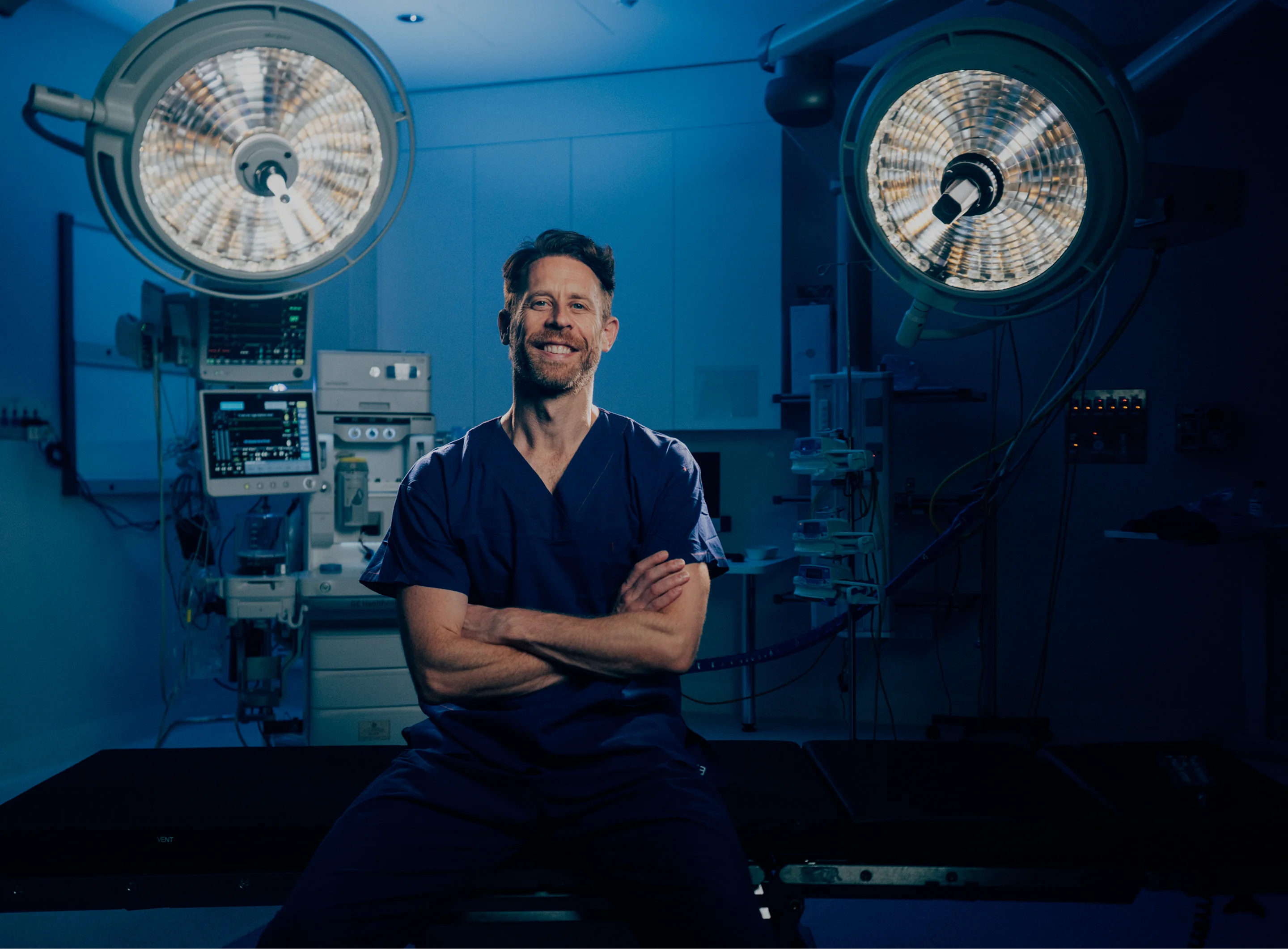
Dr Anthony Barker standing in operating room with surgical lights and medical equipment in background - in New South Wales, Australia

Post-Pregnancy FAQs

Schedule a

genuine, beautiful, natural looking results.

Consultation