Lipomodelling (Fat Grafting) Plastic Surgeon Wollongong & Sydney

Lipomodelling, also called autologous fat grafting or fat transfer, moves a patient’s own fat from one part of the body to another.

Introduction to Lipomodelling

Understanding Lipomodelling (Fat Grafting)

The fat is collected using liposuction, processed and carefully injected into selected areas to restore volume or address certain contour differences. The procedure may be performed alone or as part of another body-contouring or reconstructive operation.

Not all transferred fat develops a lasting blood supply. Some fat is naturally reabsorbed during healing, and the amount that remains varies between patients. Further treatment may be considered when additional volume or correction is required.

Specialist Plastic Surgeon Dr Anthony Barker is based in Sydney and performs lipomodelling and body-contouring surgery for suitable patients from across Australia.

Patients travelling from interstate may require additional planning for consultations, surgery and postoperative care.

Minimalist line drawing of female body silhouette showing contours relevant to post-bariatric body contouring surgery - Body in New South Wales, Australia

What Is Lipomodelling?

Lipomodelling uses fat taken from one area of the patient’s body to add soft-tissue volume to another area.

The procedure involves three main stages:

  • Fat is collected from a planned donor area using liposuction.
  • The harvested fat is processed to prepare it for transfer.
  • Small amounts of fat are injected across the treatment area to distribute the tissue.

Because the transferred tissue comes from the patient’s own body, lipomodelling does not involve a synthetic implant or injectable filler.

The transferred fat must establish a new blood supply to remain in the treatment area. Some resorption is expected, and it is not possible to predict precisely how much fat will survive.
What Can Fat Transfer Treat?

Lipomodelling may be considered to:

  • Restore selected areas of lost soft-tissue volume
  • Address certain contour irregularities
  • Improve selected differences between the two sides of the body
  • Add soft-tissue coverage in some reconstructive procedures
  • Complement another body-contouring or breast procedure
  • Redistribute fat from an appropriate donor area

The suitability of fat transfer depends on the treatment area, available donor fat, skin quality, previous surgery and the amount of volume required.

Lipomodelling cannot guarantee a particular shape, size or degree of symmetry. It may also be unsuitable when the patient has very little donor fat or when the required volume cannot be safely achieved with fat transfer.

Where Is the Fat Collected From?

Fat may be collected from areas such as the abdomen, waist, flanks or thighs, depending on the patient’s anatomy and the amount of tissue required.

The donor area is selected based on available fat, skin quality, existing scars, and the overall surgical plan.

Liposuction of the donor area creates a change in contour, but its main purpose during lipomodelling is to collect suitable fat for transfer. The donor area cannot always be shaped in the same way as a standalone liposuction procedure, particularly when only a small amount of fat is required.

Small access scars form at both the donor and recipient sites. These scars are permanent, although they are generally shorter than the incisions required for skin-removal surgery.

Combining Lipomodelling With Other Procedures

Lipomodelling may be performed with another procedure when the combination is clinically appropriate.

Liposuction is required to collect the fat used for transfer.

In selected cases, the donor area may also undergo broader contouring. However, the amount of liposuction performed depends on the patient’s anatomy, the fat required for transfer and the safety of the overall procedure.

How Much Transferred Fat Will Survive?

Not all transferred fat remains permanently.

During the first several months, some of the injected fat is naturally reabsorbed. The remaining fat must establish a new blood supply before it can become a longer-term part of the treated area.

The amount that survives varies between patients and may be affected by:

  • The treatment area
  • The amount and quality of donor fat
  • Previous surgery or scarring
  • Blood supply within the recipient area
  • The volume transferred
  • Smoking, vaping or other nicotine exposure
  • Postoperative pressure on the treated area
  • Weight changes during recovery

Dr Barker cannot guarantee a particular percentage of fat survival or an exact final volume.

Additional fat grafting may be considered if more volume or correction is required after the tissues have healed and the retained fat has stabilised.

Who May Be Suitable for Lipomodelling?

Lipomodelling may be considered for patients who:

  • Have an area where additional soft-tissue volume may be appropriate
  • Have sufficient donor fat available for harvesting
  • Are in suitable general health for surgery
  • Have a reasonably stable weight
  • Do not smoke, vape or use other nicotine products
  • Understand that some fat resorption is expected
  • Accept that further treatment may be required
  • Have realistic expectations about the degree of change possible

Suitability is determined following an individual consultation and physical examination.

Patients with limited donor fat, significant weight fluctuations, certain medical conditions or inadequate blood supply in the proposed treatment area may not be suitable.

What Are the Benefits of Lipomodelling?

Lipomodelling may be considered for patients with adequate donor fat and areas where additional soft-tissue volume would be beneficial. The procedure combines fat harvesting with volume restoration using the patient’s own tissue and can include the following benefits:

  • Uses the patient’s own adipose tissue for volume restoration
  • Simultaneously reduces adipose tissue in selected donor areas
  • May improve contour irregularities in appropriately selected anatomical regions
  • The transferred material is the patient’s own fat. Whether an implant or another treatment is also required depends on the surgical plan.
  • Can be incorporated into selected reconstructive or body contouring procedures when clinically appropriate

Lipomodelling After Weight Loss or Previous Surgery

Significant weight loss, ageing and previous surgery can result in areas of reduced volume, contour irregularity or differences in soft-tissue thickness.

Fat transfer may be considered as part of a wider reconstructive or body-contouring plan. However, it does not remove substantially loose skin.

When loose skin is the main concern, another procedure such as abdominoplasty, brachioplasty, thigh lift or body lift may be required. Lipomodelling may sometimes be performed at the same time or during a later stage.

Previous scars can affect the blood supply and flexibility of the treatment area. This may influence how much fat can be transferred and how much is likely to remain.

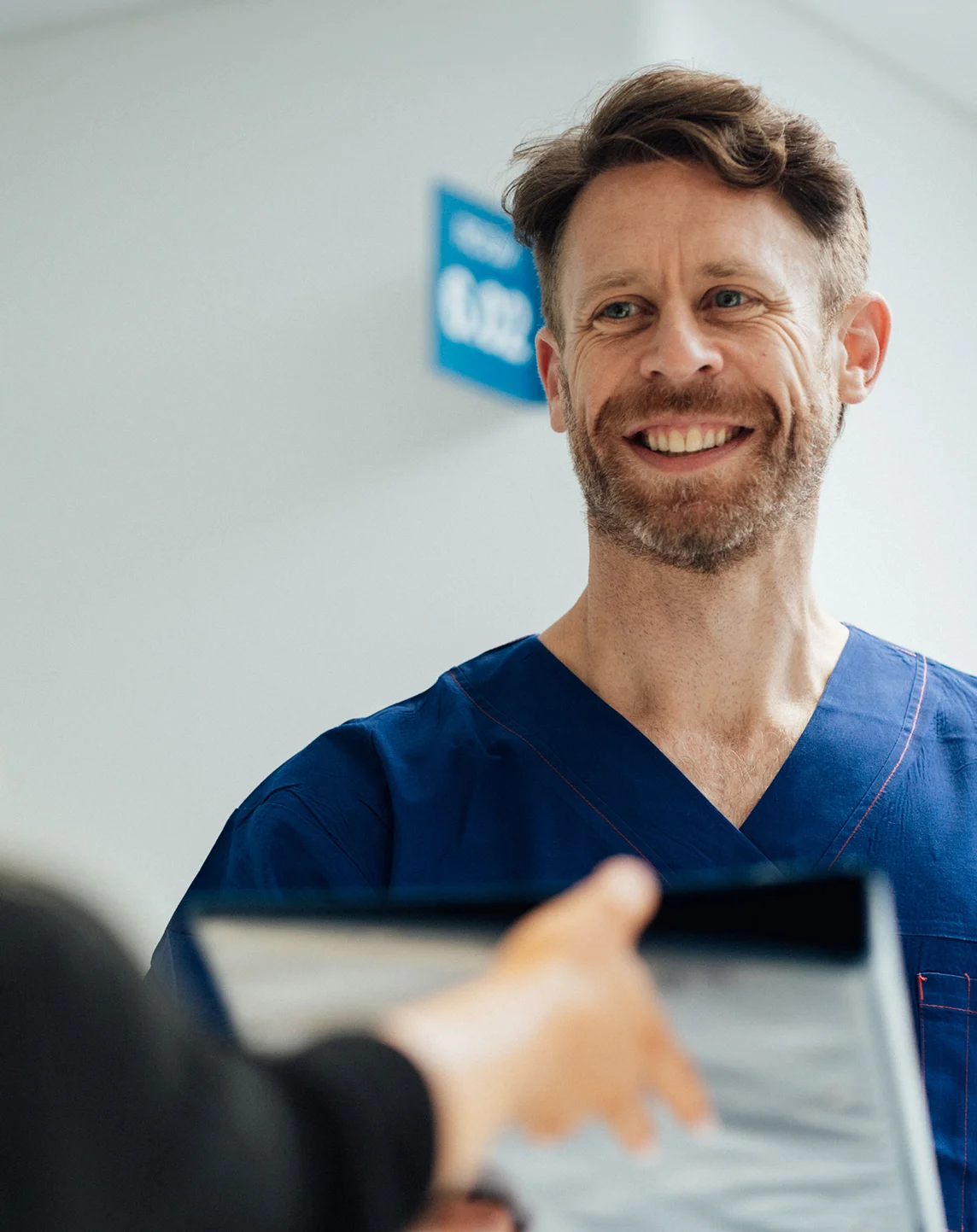
Dr Anthony Barker in blue scrubs consulting with patient in medical office - in New South Wales, Australia

Planning Lipomodelling With Dr Barker

During a lipomodelling consultation, Dr Barker assesses both the area receiving the fat and the potential donor areas.

The assessment may include discussion of:

  • Medical history and current health
  • Previous operations and scars
  • Current medicines and supplements
  • Weight changes and weight stability
  • Smoking, vaping and other nicotine exposure
  • Available donor fat
  • Skin quality and tissue thickness
  • The amount and location of volume being considered
  • The patient’s concerns and treatment priorities

Dr Barker will discuss whether lipomodelling may be suitable, the likely donor areas, the amount of change that may reasonably be achievable, possible alternatives, recovery requirements and potential risks.

The possibility of fat resorption and the need for further treatment will also be explained.

The option of not proceeding with surgery is discussed.

For cosmetic surgery, the practice will explain the applicable referral, consultation, psychological screening, informed consent and cooling-off requirements under current Medical Board of Australia guidelines.

What Happens During Lipomodelling Surgery?

Before surgery, Dr Barker marks the planned donor and treatment areas.

Fat is collected through small access incisions using liposuction. The harvested tissue is then processed before being injected in small amounts throughout the planned recipient area.

Distributing smaller amounts of fat across different tissue layers helps maximise contact with the surrounding blood supply. However, it does not guarantee that all transferred fat will survive.

Surgery is performed in an appropriately accredited hospital or licensed facility.

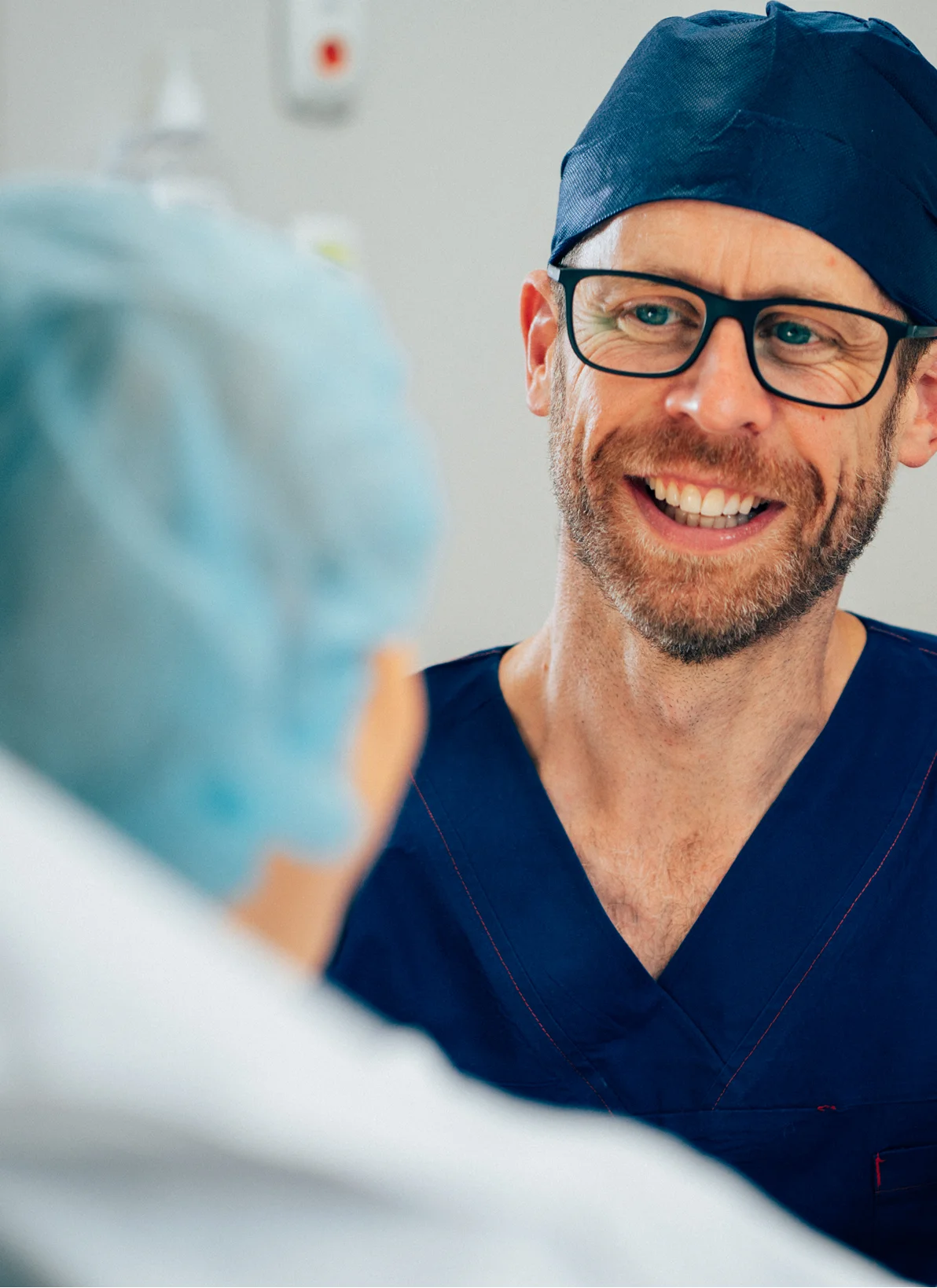
Dr Anthony Barker in scrubs and glasses speaking with healthcare colleague in medical setting - in New South Wales, Australia
White ethereal smoke wisps dispersing against light background creating abstract atmospheric pattern

Recovery After Lipomodelling

Your Guide to Post-Lipomodelling Care

Recovery involves healing at both the donor and recipient areas.

Swelling, bruising, tenderness, firmness and changes in sensation are expected during the early recovery period. The donor areas may initially feel similar to recovery after liposuction.

A compression garment may be recommended for the donor areas. Pressure may need to be limited over the areas receiving fat during early healing.

Gentle walking is generally encouraged. Avoid heavy lifting and strenuous exercise until medically cleared.

Time away from work depends on the amount of fat collected, the areas treated and whether lipomodelling is combined with another operation. Many patients require approximately one to two weeks away from non-physical work, while more extensive or combined surgery may require longer.

Early swelling can temporarily exaggerate the apparent volume of the treated area. Over the following months, swelling reduces, and some of the transferred fat is reabsorbed.

You cannot assess the longer-term result until the swelling has settled and the remaining fat has stabilised.

Recovery timeframes are general estimates and cannot be guaranteed.

Risks and Recovery Considerations

Lipomodelling is a surgical procedure and carries risks at both the donor and recipient areas.

Possible complications include bleeding, infection, fluid collection, delayed healing, changes in sensation, noticeable scarring, contour irregularities, asymmetry, fat resorption, fat necrosis, oil cysts, calcification and the need for further treatment or revision surgery.

Fat transfer also has procedure- and treatment-area-specific risks. These will be discussed according to where the fat is being placed and whether another operation is being performed.

Smoking, vaping and other nicotine exposure can affect blood supply, healing and fat survival.

Dr Barker will discuss the risks most relevant to the proposed procedure and the patient’s individual health. The amount of retained fat, final volume, contour, symmetry and recovery timeframe cannot be guaranteed.

How Long Do Fat Transfer Results Last?

Fat that establishes a lasting blood supply may remain as living tissue in the treated area.

The surviving fat can change with later weight gain or weight loss. Ageing, pregnancy and changes in skin elasticity may also alter the result over time.

Some fat is expected to be reabsorbed during the initial healing period. Further fat transfer may be considered if additional volume is desired or clinically appropriate after the result has stabilised.

Lipomodelling Costs, Medicare and Private Health Insurance

The cost of lipomodelling depends on the donor and recipient areas, the amount of fat being transferred and whether the procedure is combined with another operation.

We provide an individualised quotation after consultation, including an outline of the expected surgeon, anaesthetist, and hospital fees.

Medicare and private health insurance generally do not cover lipomodelling performed solely for cosmetic reasons.

When fat grafting forms part of another medically indicated or reconstructive procedure, Medicare may provide a rebate or private health insurance may contribute in selected circumstances. Eligibility depends on the associated procedure and the patient’s individual policy.

The practice cannot guarantee Medicare and private health insurance benefits, and out-of-pocket costs may remain.

Can Medicare Contribute to Lipomodelling Costs?

Lipomodelling performed solely for cosmetic reasons is generally not covered by Medicare.

A Medicare rebate or private health insurance contribution may be available when fat grafting is part of another eligible, medically indicated, or reconstructive procedure.

Eligibility depends on the associated procedure and the patient’s individual insurance policy. Benefits cannot be guaranteed, and out-of-pocket expenses may remain.

Why Choose Dr Anthony Barker?

Dr Anthony Barker is a Specialist Plastic Surgeon in Sydney with qualifications that include a Bachelor of Medicine and Bachelor of Surgery (MB BS), a Master of Surgery (Plastics) from the University of Sydney, and Fellowship of the Royal Australasian College of Surgeons (FRACS). His educational background also includes a Bachelor of Arts in Biomedical Engineering from Harvard University, providing a strong foundation in anatomy, surgical planning, and medical innovation. In addition to his clinical practice, Dr Barker contributes to the profession through university teaching, research, conference presentations, and peer-reviewed publications. Patients in New South Wales and Sydney seeking surgical care receive detailed consultations, clear information on available treatment options, and recommendations tailored to their anatomy, medical history, and treatment objectives.

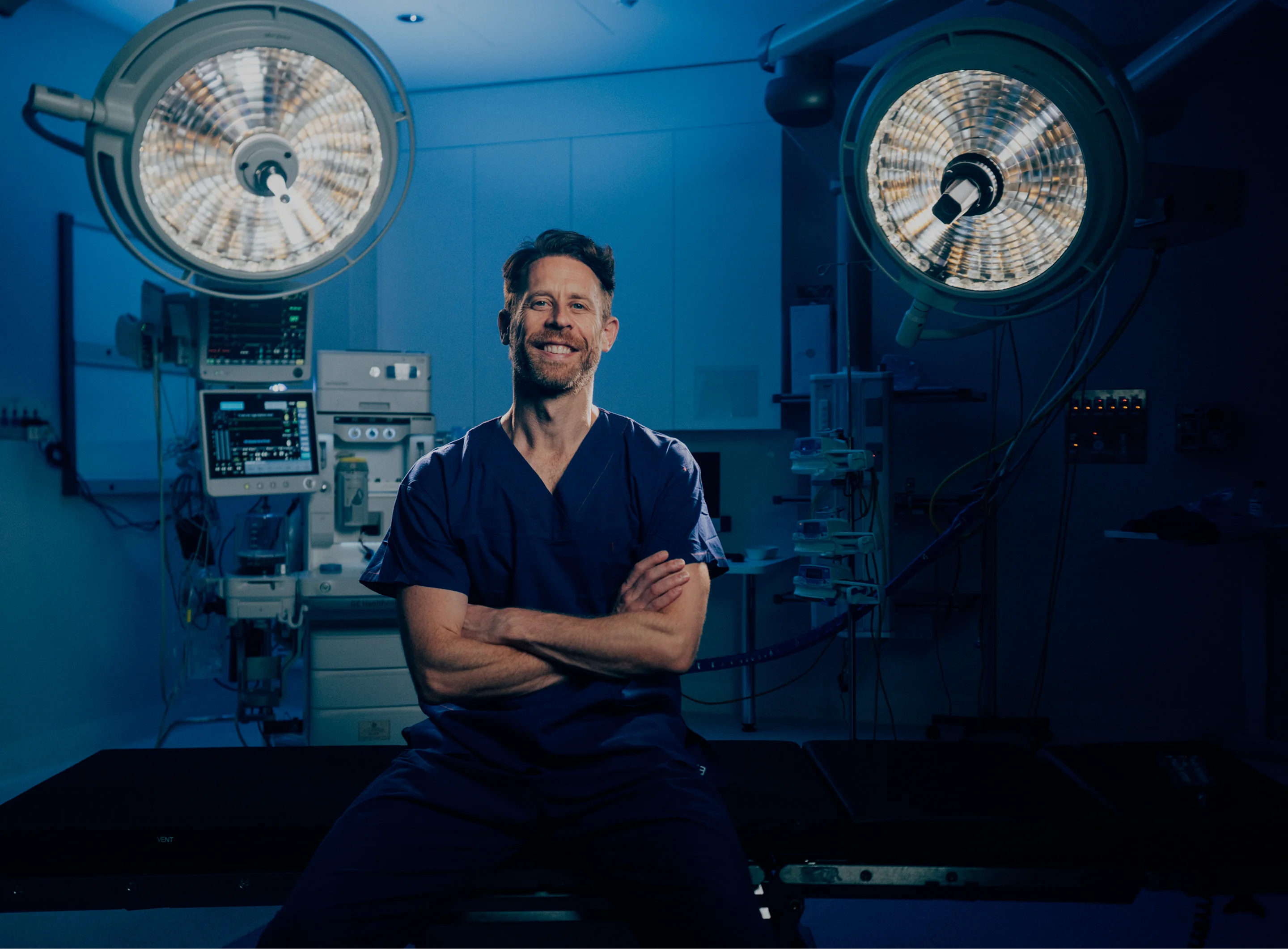
Dr Anthony Barker standing in operating room with surgical lights and medical equipment in background - in New South Wales, Australia

Lipomodelling Consultations in Sydney

Dr Barker is based in Sydney and consults at Macquarie University Hospital, Sydney CBD and Surry Hills. He performs lipomodelling, fat transfer and body-contouring surgery for suitable patients from across New South Wales and throughout Australia.

Patients travelling from interstate may be able to complete some appointments by telehealth. An in-person clinical assessment is required before surgery, and patients must remain in Sydney for an appropriate period following their procedure.

Postoperative arrangements are planned individually based on the operation, recovery requirements, and where the patient lives.

Dr Barker requires an individual consultation and clinical assessment before determining whether fat transfer is suitable, identifying possible donor areas, or providing a surgical quotation.

Lipomodelling FAQs

Schedule a

genuine, beautiful, natural looking results.

Consultation