Breast Augmentation + Lift Plastic Surgeon Wollongong & Sydney

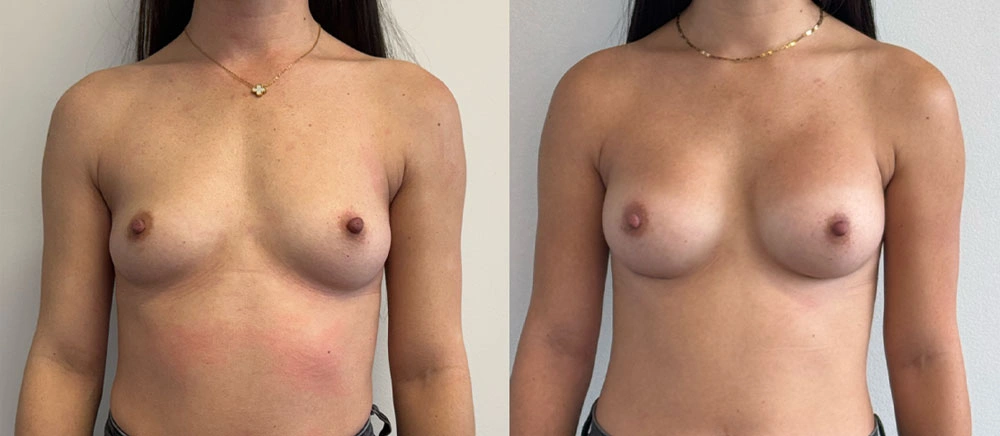
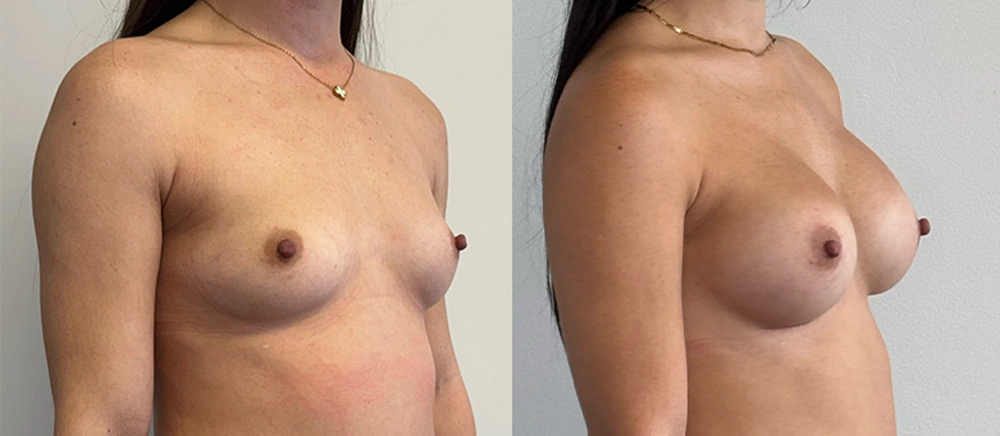
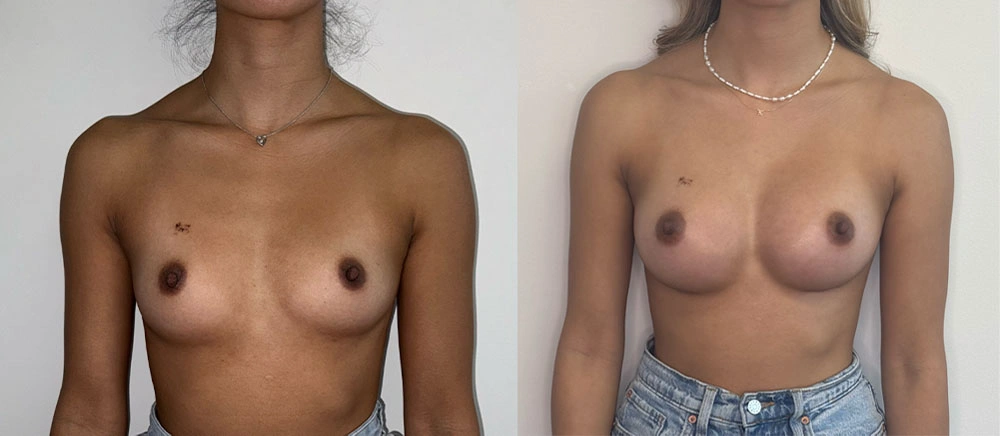
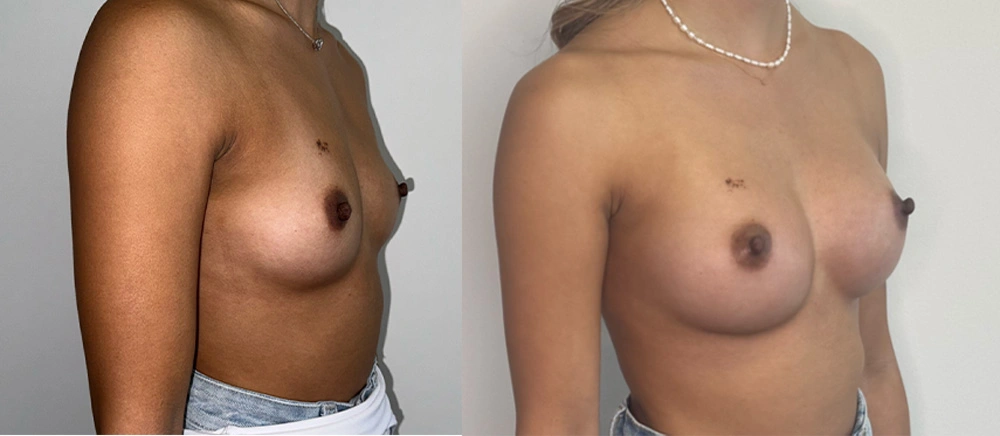
Breast augmentation is a surgical option for patients considering an increase in breast volume or a change in breast shape and projection.

Introduction to Breast Augmentation + Lift

Enhance Breast Shape, Volume, and Proportion

Pregnancy, breastfeeding, weight changes and ageing can affect both the position and the volume of the breasts. The breasts may sit lower on the chest, the skin may stretch, and the upper part of the breast may look emptier than before.

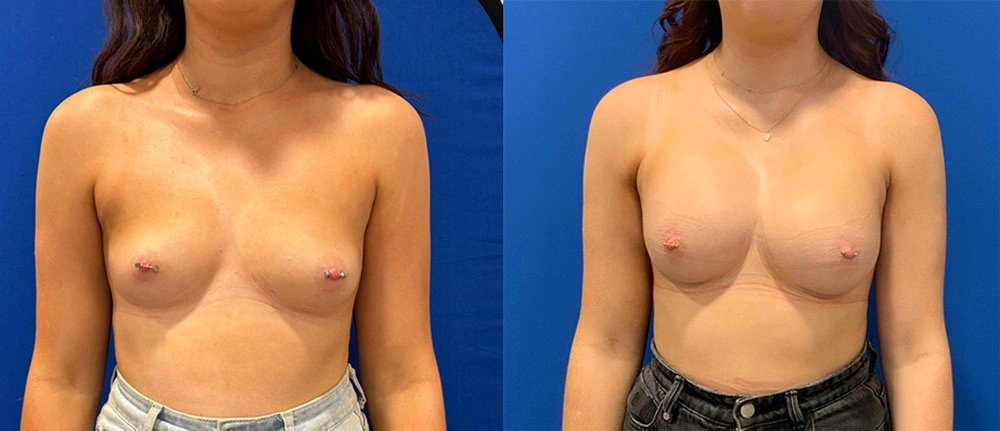
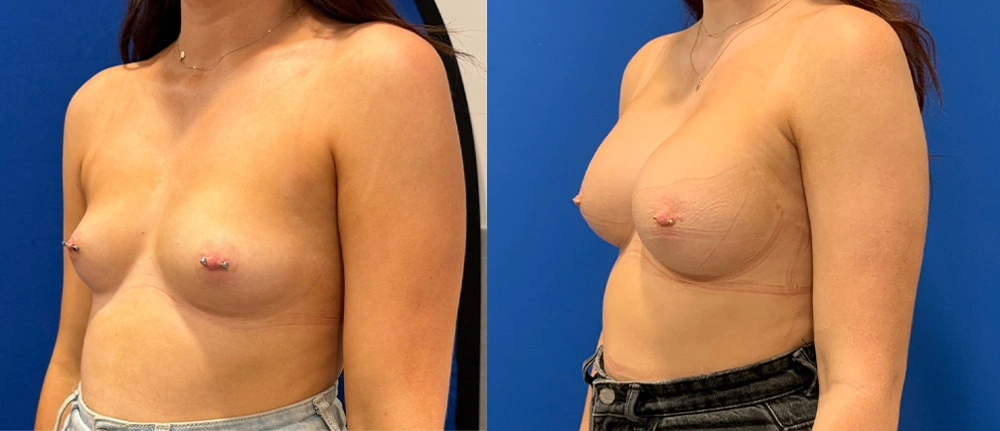
A breast lift with implants, also called augmentation mastopexy or breast lift and augmentation, combines two procedures. The breast lift removes loose skin and raises the breast tissue and nipples, while the implant adds volume and projection.

Specialist Plastic Surgeon Dr Anthony Barker is based in Sydney and performs breast lift with implants for suitable patients from across Australia. Augmentation mastopexy is one of the main breast procedures he performs.

Each operation is planned around the patient’s breast shape, skin quality, nipple position, existing volume and the degree of change required.

Minimalist line drawing of female figure showing body contour for breast augmentation consultation - Breast in New South Wales, Australia

What Is Augmentation Mastopexy?

Augmentation mastopexy addresses two separate concerns: breast position and breast volume. A breast lift reshapes and raises existing tissue but does not substantially add volume. A breast implant on its own adds volume but does not correct significant sagging or reposition the nipples.

  • Combining the procedures may:
  • Raise the breast tissue to a higher position on the chest
  • Reposition the nipples and areolas
  • Reduce the size of stretched areolas
  • Remove loose or stretched breast skin
  • Add volume and upper-breast fullness with an implant
  • Address some differences in breast size, shape or position

Augmentation mastopexy is more complex than a breast lift or breast augmentation alone. The lift and the implant work in opposite directions: the lift tightens the skin, while the implant stretches it. Careful planning is needed to balance the two.

Breast Lift, Breast Augmentation or Both?

Not every patient with breast changes needs both procedures.

A breast lift alone may be suitable when you are comfortable with your current breast volume but want to address breast position, nipple position or loose skin. Learn more about breast lift surgery.

Breast augmentation alone may be suitable when you want additional volume and the breasts and nipples are in a reasonable position. Learn more about breast augmentation.

A breast lift with implants may be considered when both breast position and volume need to be addressed. Fat transfer may be an alternative to an implant for patients who want only a modest increase in volume.

During your consultation, Dr Barker will explain which options may suit your anatomy and goals, including the option of not having surgery.

Who May Consider a Breast Lift With Implants?

Patients may consider augmentation mastopexy when they have:

  • Breast tissue that has lowered on the chest
  • Nipples that sit at or below the breast crease or point downwards
  • Loose or stretched skin following pregnancy, breastfeeding or weight loss
  • Reduced breast volume, particularly in the upper part of the breast
  • Enlarged or stretched areolas
  • Differences between the breasts in size, shape or position

Suitability is assessed individually. Good general health, a stable weight, and not smoking are important for healing. No two breasts are identical, and perfect symmetry cannot be achieved or guaranteed.

One-Stage or Two-Stage Breast Lift and Augmentation?

In a one-stage procedure, surgeons perform the breast lift and implant placement in the same operation. This involves one anaesthetic and one main recovery period.

Because the lift and the implant are adjusted at the same time, one-stage surgery is more complex and, for some patients, may carry a higher chance of needing revision surgery.

Dr Anthony Barker in blue scrubs consulting with patient in medical office - in New South Wales, Australia

Planning a Breast Lift With Implants With Dr Barker

During consultation, Dr Barker will ask what has changed and what you would like assessed.

The examination considers:

  • Breast volume and shape
  • Skin quality and elasticity
  • Nipple and areola position
  • Natural asymmetry
  • Chest wall shape and proportions
  • Existing scars and previous breast surgery

The consultation includes a discussion of the likely scar pattern, implant options, whether one-stage or staged surgery is advisable, recovery and the risks of both procedures.

The consultation also reviews medical history, medicines, pregnancy plans and breast-screening history. The practice may request breast imaging or further medical assessment depending on the patient’s age, symptoms and clinical history.

For cosmetic surgery, the practice will explain the applicable referral, consultation, psychological screening, informed consent and cooling-off requirements.

Breast Lift With Implants Scars

Every breast lift creates permanent scars. The scar pattern depends on breast shape, nipple position, the amount of loose skin and the degree of lifting required.

Scars may be positioned:
Around the edge of the areola
Around the areola and vertically down to the breast crease (a vertical or lollipop pattern)
Around the areola, vertically and along the breast crease (an inverted-T or anchor pattern)

The implant is usually placed through one of the breast lift incisions, so an additional scar is not generally needed. Scars are usually pink and firm during early healing and generally soften over time, but their final colour, width and appearance vary between patients.

Choosing Breast Implants for Augmentation Mastopexy

Implant selection depends on breast measurements, chest width, skin quality, and the amount of breast tissue present, not cup size alone.

The consultation includes a discussion of implant size, shape, profile and placement, either partly beneath the chest muscle or above it. Larger implants put more strain on the lifted skin and may increase the risk of complications and future changes, so choosing a balanced option is important.

Breast implants are not lifetime devices. Many patients will need further surgery to replace or remove their implants at some stage. Learn more about breast implant risks.

Breast Lift With Implants After Pregnancy or Weight Loss

Pregnancy and breastfeeding commonly reduce breast volume and stretch the skin, while significant weight loss can leave the breasts deflated with less internal support.

As a general guide, patients are often advised to wait about six months after breastfeeding ends, and until their weight has stabilised, before surgery. Patients planning another pregnancy may prefer to delay surgery, as a future pregnancy can change the breasts again.

Following bariatric surgery, Dr Barker may request blood tests to assess nutritional factors that can affect healing.

Preparing for Surgery

  • Once you decide to proceed, the practice will provide a personalised preoperative plan. The main practical steps usually include:
  • Completing any requested tests or breast imaging
  • Reviewing medicines, supplements, smoking and nicotine use with the surgical team
  • Arranging transport home and an adult to stay with you on the first night
  • Planning time away from work and help with lifting, children and household tasks
  • Following the hospital’s fasting and admission instructions

The exact preparation varies between patients. Do not stop prescribed medication unless advised by the appropriate treating practitioner.

Dr Anthony Barker in scrubs and glasses speaking with healthcare colleague in medical setting - in New South Wales, Australia
White ethereal smoke wisps dispersing against light background creating abstract atmospheric pattern

Recovery After Breast Augmentation

Your Guide to Post-Breast Augmentation Care

Swelling, tightness, bruising and discomfort are expected during early recovery.

The breasts may initially appear higher, firmer or less even than expected. Their appearance gradually changes as the swelling reduces and the tissues adjust.

Many patients return to office-based work within approximately one to two weeks. Physical work may require longer.

Heavy lifting, upper-body training, and strenuous exercise are generally restricted for about six weeks, or until Dr Barker advises that they can be resumed.

The breasts continue to settle over several months. Recovery varies, particularly when augmentation is combined with a breast lift or another procedure.

Risks and Possible Complications of Augmentation Mastopexy

Augmentation mastopexy combines the risks of a breast lift with the risks of breast implants. Because the two procedures place different demands on the same tissues, the overall risk of complications and further surgery is higher than for either procedure alone.

Possible complications include bleeding, infection, fluid collections, delayed wound healing, noticeable scarring, blood clots and anaesthetic complications.

Fluid collections, such as blood (haematoma) or clear fluid (seroma), can build up around the implant or beneath the skin. Some settle on their own, while others need to be drained or may require a return to the operating theatre.

Blood clots can form in the deep veins of the legs (deep vein thrombosis) and may travel to the lungs (pulmonary embolism), which can be life-threatening. Measures to reduce this risk are planned according to individual risk.

General anaesthesia carries its own risks, including reactions to medicines and breathing or heart problems. The anaesthetist will assess these risks before surgery.

Why Choose Dr Anthony Barker?

Dr Anthony Barker is a Specialist Plastic Surgeon and Fellow of the Royal Australasian College of Surgeons (FRACS). He performs aesthetic and reconstructive breast surgery and is a member of the Australian Society of Plastic Surgeons and the Australasian Society of Aesthetic Plastic Surgeons.

His approach to augmentation mastopexy is based on careful assessment of breast tissue, skin quality and nipple position, with a clear discussion of implant options, scar patterns, one-stage or staged surgery and the limitations of the procedure.

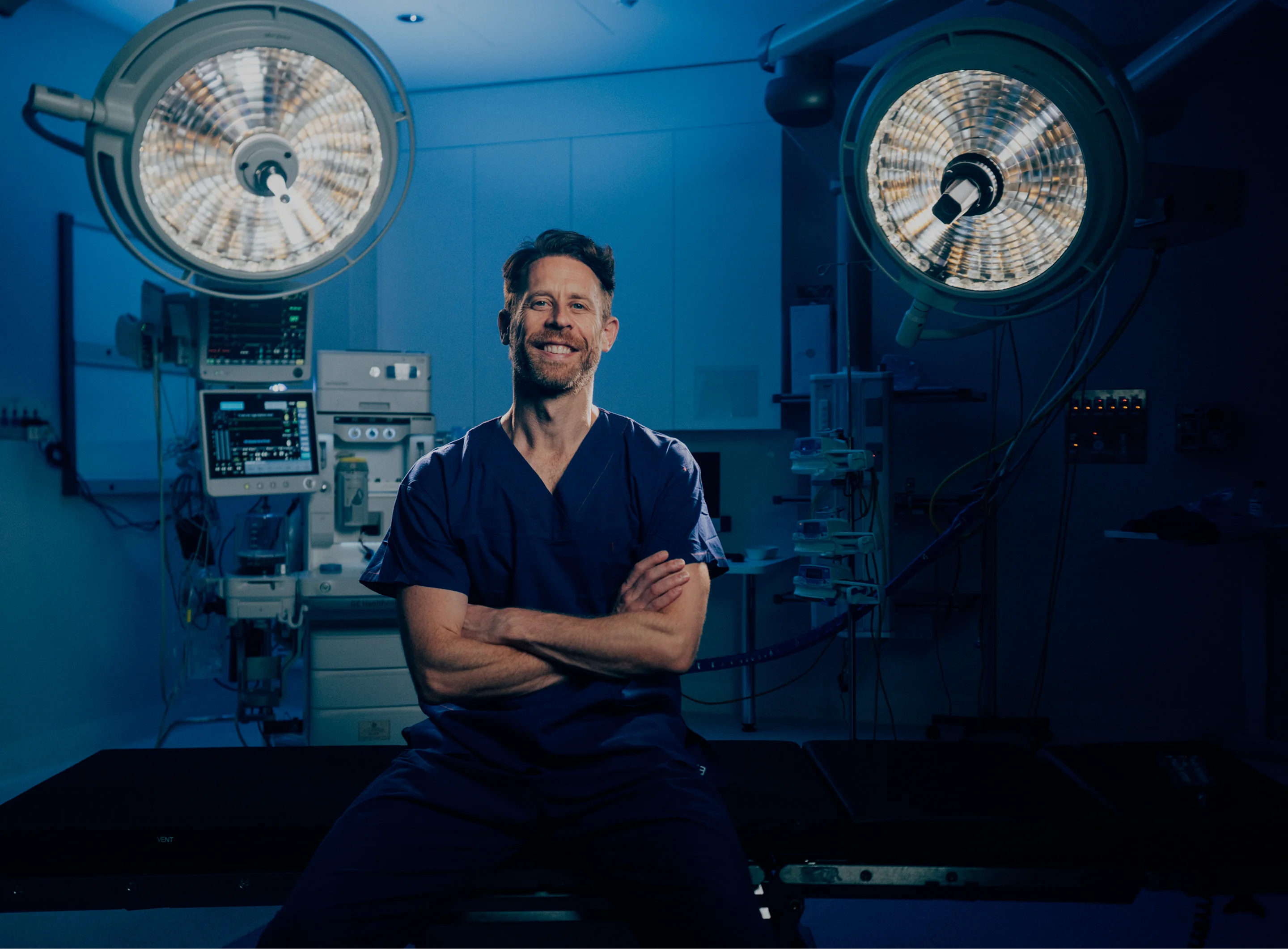
Dr Anthony Barker standing in operating room with surgical lights and medical equipment in background - in New South Wales, Australia

Breast Lift With Implants Consultations in Sydney

Dr Barker is based in Sydney and consults at Macquarie University Hospital, Sydney CBD and Surry Hills. He performs breast lift with implants and other breast surgery for suitable patients from across Australia.

Patients travelling from interstate may be able to complete some appointments by telehealth. An in-person assessment is required before surgery, and patients must remain in Sydney for an appropriate period after their procedure.

Patients should bring details of any previous breast surgery and recent breast imaging if available.

Additional Reading

Learn more in Dr Barker’s article on breast lift with implants. [LINK]

Breast Augmentation + Lift FAQ’s

Schedule a

genuine, beautiful, natural looking results.

Consultation